
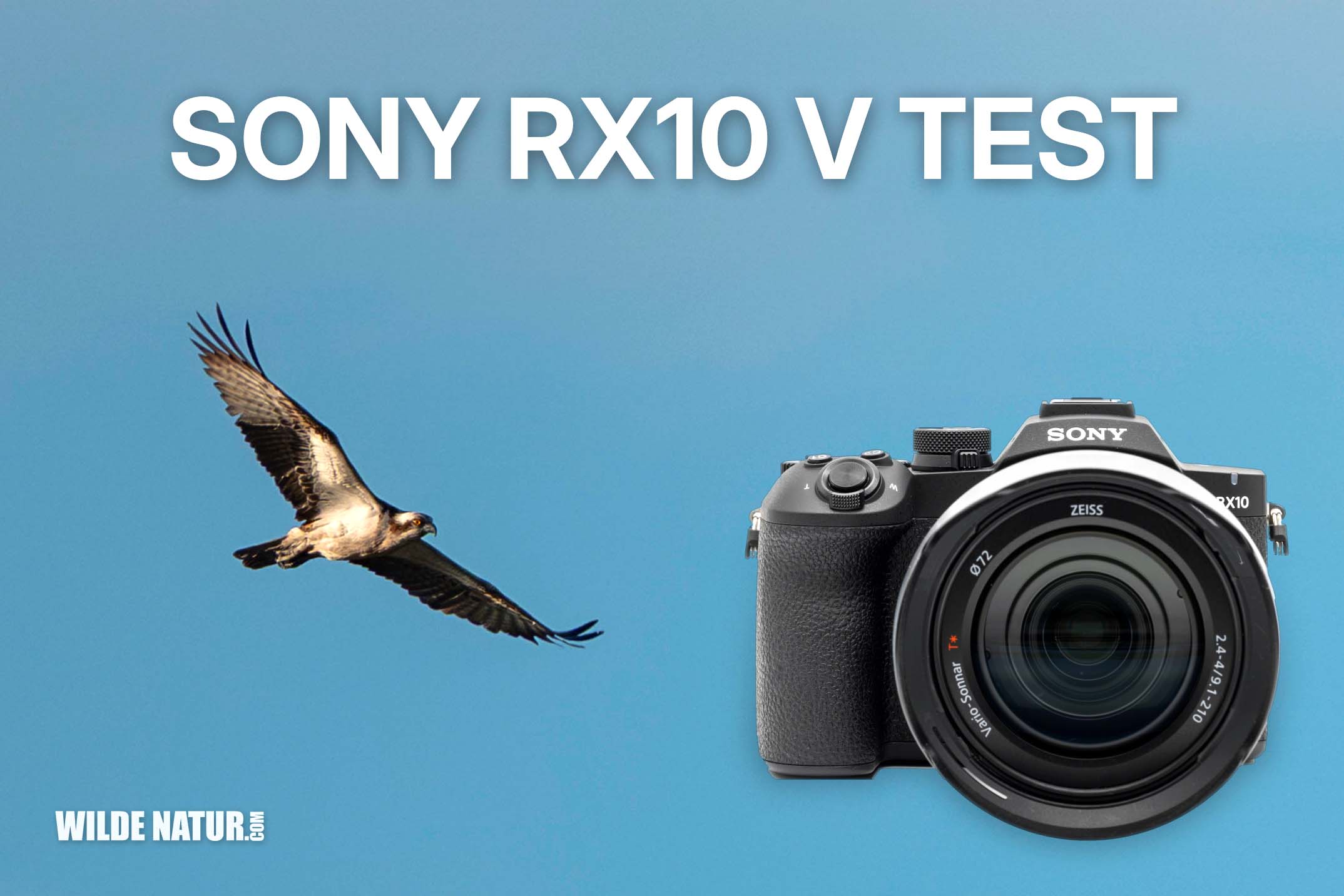
600mm telephoto, 30 frames per second, and a weight of just 1.111 kg.
The Sony RX10 V bridge camera promises a lot of performance in a compact body. It is a promise other camera makers also make for their bridge cameras.
But what can it really do in the field?
WildeNatur tested the Sony RX10 V on six photo trips. No studio tests, just the camera over the shoulder, out into nature, and shooting.
From an osprey and a common kingfisher at the pond to deer during the rut, at dusk and at long range. The subjects were as varied as the habitats, the weather, and the light. At times the sun was shining brightly; at other times, outlines disappeared in thick fall fog. Everything was photographed and filmed handheld.
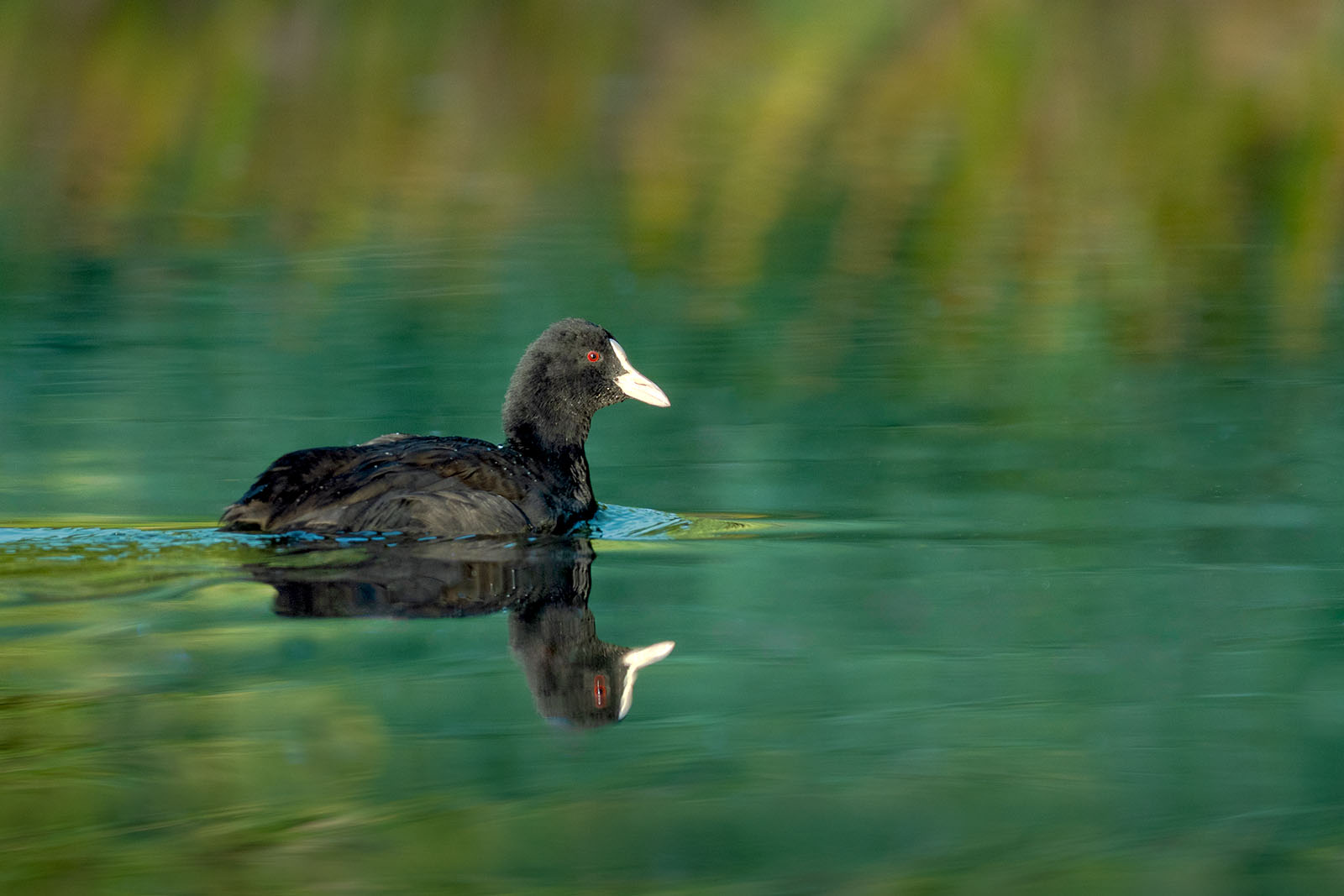
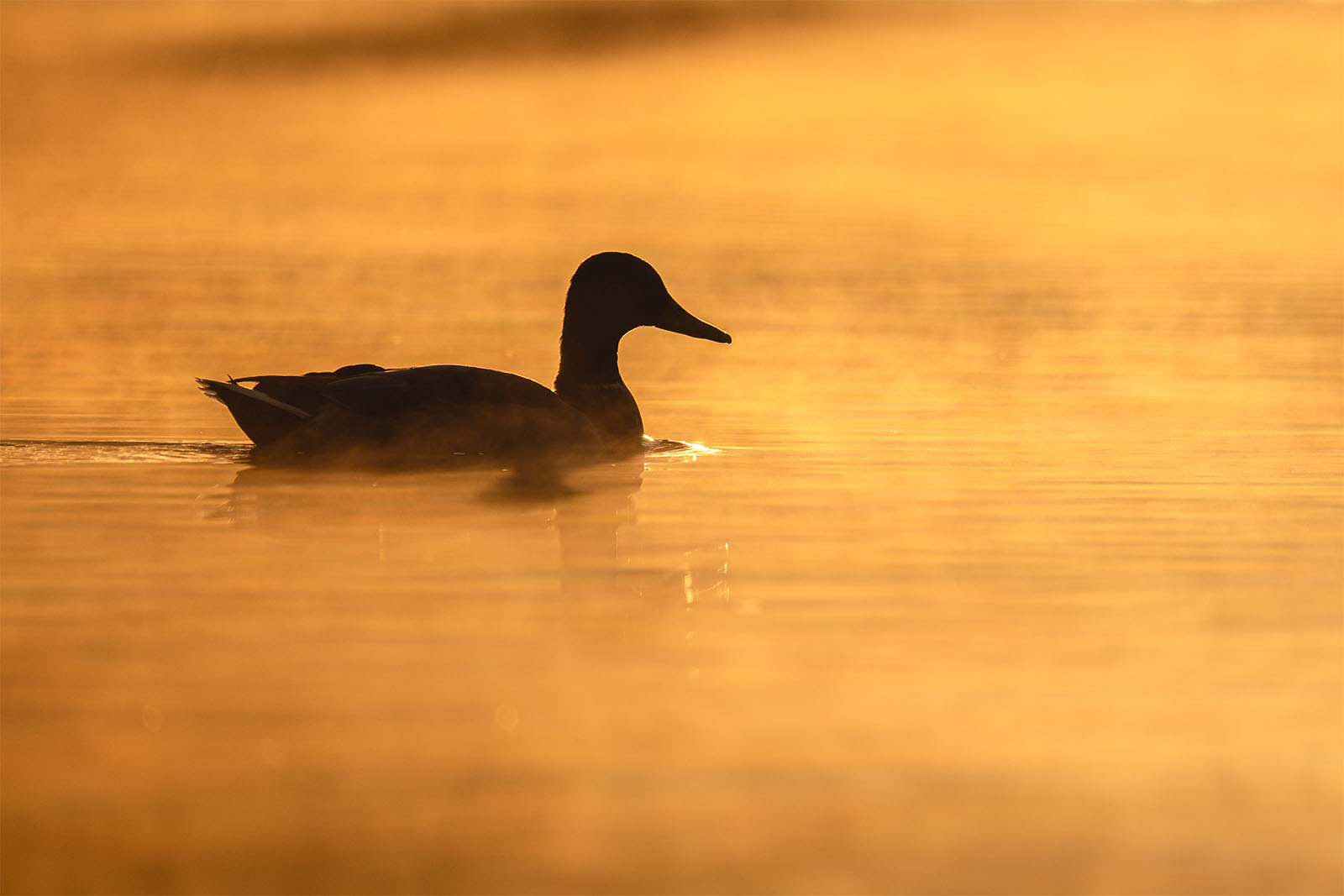


The question for the hands-on test was: How much of a nature and wildlife camera is the Sony RX10 V?
With a zoom range of 24 to 600mm (full-frame equivalent), AI-based subject recognition, and up to 30 frames per second, the RX10 V brings a lot to the table. In the hands-on test, it showed what it could do and where its limits were.
The result is surprising: The Sony RX10 V can do more than its compact body with a built-in lens suggests.
It doesn’t replace specialized wildlife gear. But for photographers who want to travel light, it can be an interesting alternative to interchangeable-lens cameras.
Where does the RX10 V impress?
Which weaknesses only show up in real-world use?
And who is the camera really worth it for?
The new Sony RX10 V Hands-On Review sums up WildeNatur’s results from six photo trips in nature, with sample images and an overall impression.
The hands-on test produced a lot of material that could not all be shown in the web article. That is why a detailed e-book version is in the works as a PDF, with higher-resolution images, RAW before-and-after comparisons, and the full field reports from all six photo trips.
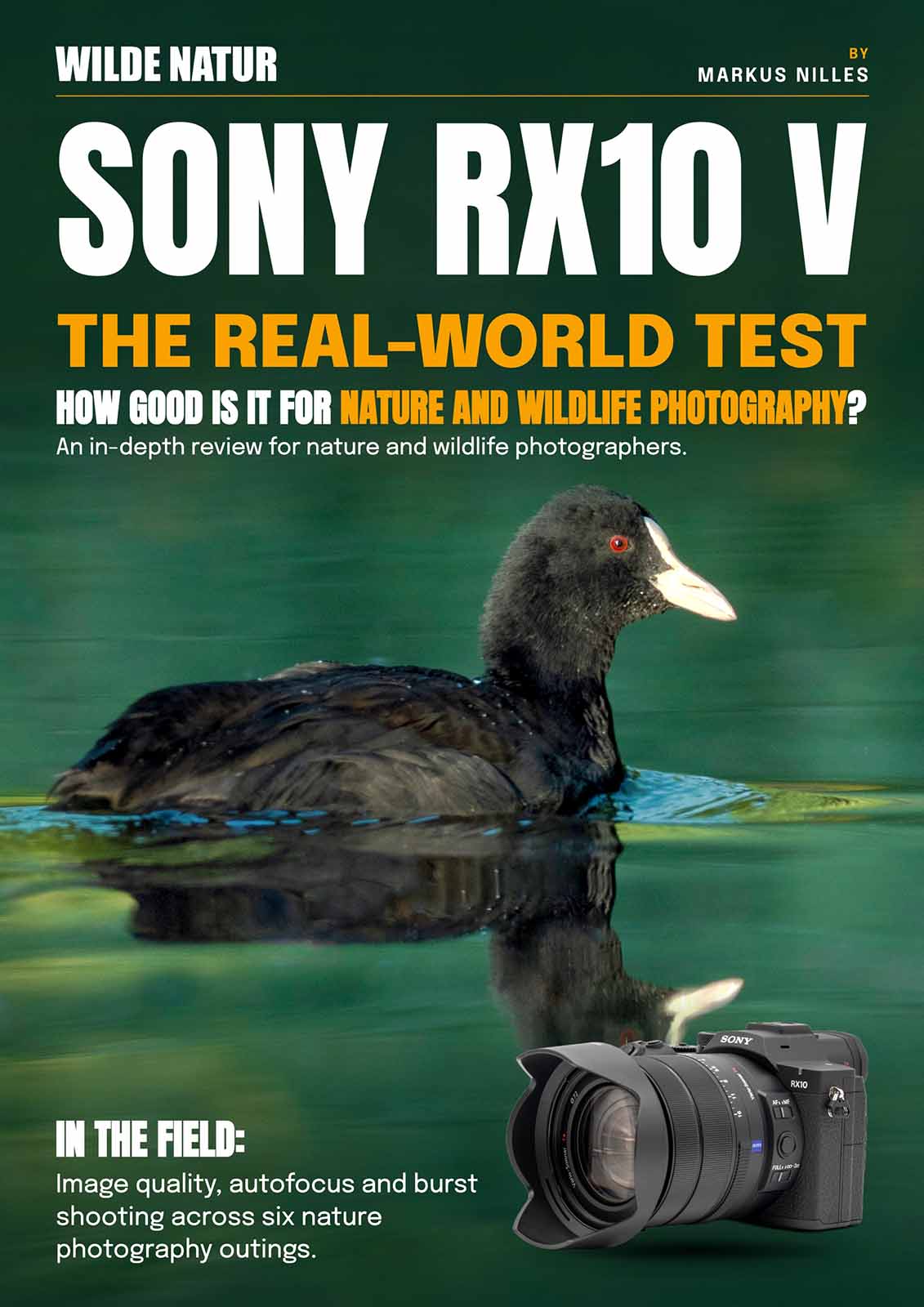
Sony RX10 V: The In-Depth Hands-On Review as an E-Book
Six photo trips, with every experience and image analysis covered in detail.
Six photo trips: Experiences, challenges, and lessons learned
Tech in detail: Autofocus, image quality, dynamic range, image stabilization, and more
Settings & shooting techniques: What works and where the limits are
High-resolution photos: Judge the image quality for yourself
RAW comparisons: Editing headroom in before-and-after comparisons
E-book in the works. Sign up now, no obligation!
Be the first to know when the e-book is available. Sign up for free.


