
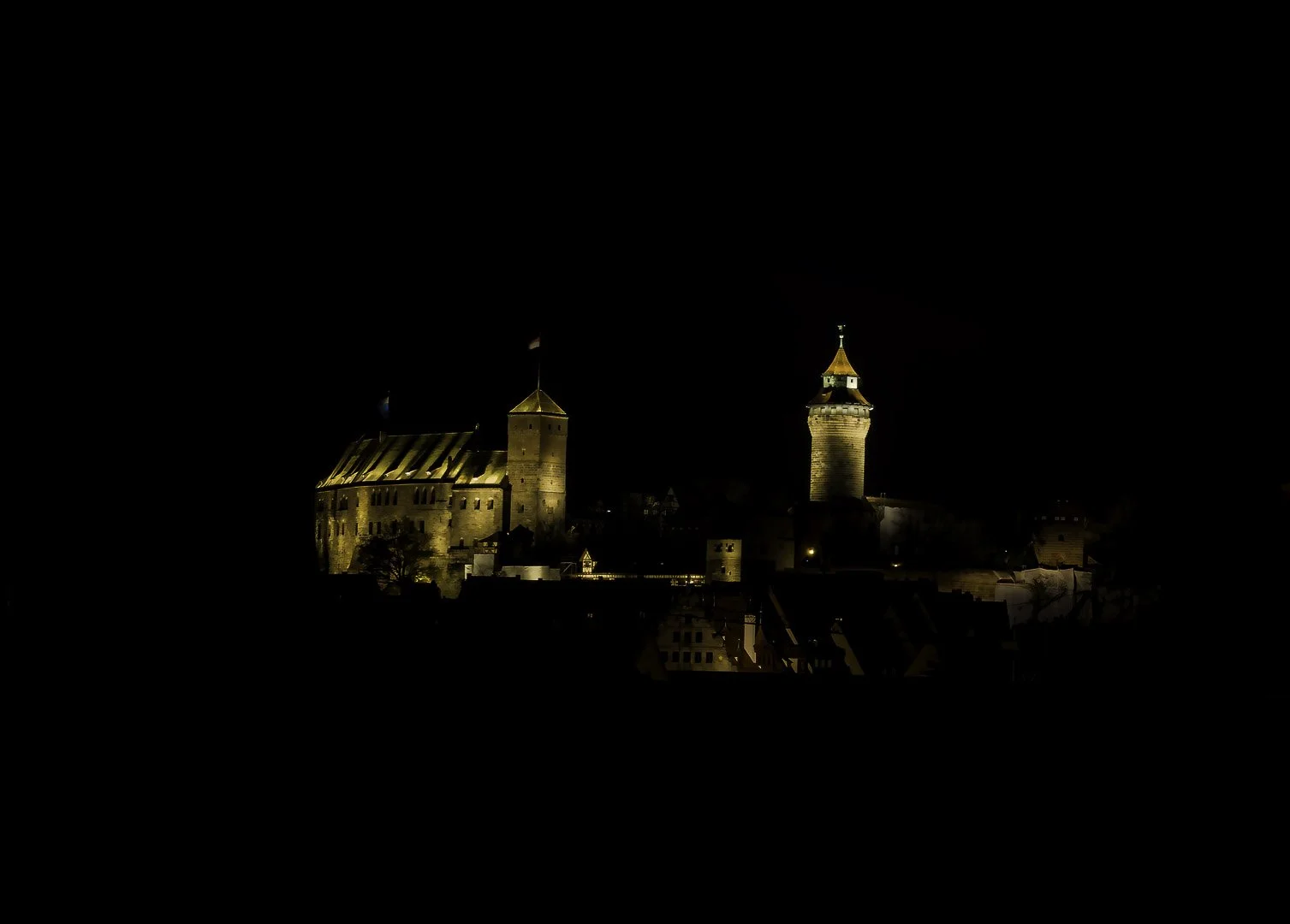
At first glance, the city of Nuremberg may not look like the ideal place for wildlife photography, but it actually offers some surprising options for photography in Nuremberg. Urban wildlife is a genre of animal photography that keeps growing in popularity, and Nuremberg has some great spots for it.
The Wöhrder See is a beautiful place to photograph birds and other wildlife. The nature reserve on the lake is an important stopover for many migratory birds and a breeding ground for many species of waterbird. You can photograph herons, ducks, geese, and many other species here.
Another great place for photography in Nuremberg is Volkspark Marienberg. Here you will find plenty of squirrels, ducks, and pigeons living in a natural setting. The park covers a large area that local people use heavily for recreation. If you are lucky, you can also spot long-eared owls here in winter. The Ludwig Danube-Main Canal is another place to watch and photograph animals in the city. You will find many waterbirds here, such as swans, ducks, and geese, swimming on the water and walking around near the bank.

The Westfriedhof cemetery in Nuremberg is an unexpected gem for wildlife photographers who like to shoot animals in urban settings. This cemetery is a rare chance to watch and photograph various bird species and other animals in their natural habitat. It has plenty of trees, shrubs, and green space, which makes a perfect backdrop for photography in Nuremberg.
Nuremberg has several nature reserves that protect and preserve the regional flora and fauna. One of the best known is the “Schmausenbuck“, which stretches across the east of Nuremberg and covers 150 hectares. Another nature reserve in Nuremberg is the “Vogelschutzgebiet Reichswald“, the Reichswald bird sanctuary southeast of the city. These are very good areas for photography in Nuremberg.

Nuremberg Castle is an important habitat for the peregrine falcon, because it gives the birds an ideal place to hunt and nest. Peregrine falcons usually prefer cliffs and buildings as nest sites, since these sit close to open ground such as meadows and fields where they can watch for prey. – Current article on the peregrine falcons breeding at Nuremberg Castle —> Peregrine Falcon Nuremberg Castle
Nuremberg Castle also shelters the peregrine falcons from predators and other threats. Here they can breed undisturbed and raise their young. If you want to watch the peregrine falcons at the castle, go early in the morning or late in the evening, when the birds are most active. With a bit of luck you can then watch their spectacular flight, tearing through the air at breathtaking speed to hunt their prey. Watching peregrine falcons at Nuremberg Castle is a rare experience that nature lovers and birders should not miss. It is important, though, to behave carefully and respectfully so that you do not disturb or endanger the birds.
Conclusion
Photography in Nuremberg means urban wildlife, not just medieval architecture, so Nuremberg is definitely a city worth visiting and exploring. There are many ways to find and photograph wild animals in the city, and with a bit of luck you can come away with some amazing images. Photography in Nuremberg is a great way to get better at photography while you discover the beauty of the city and the country around it.
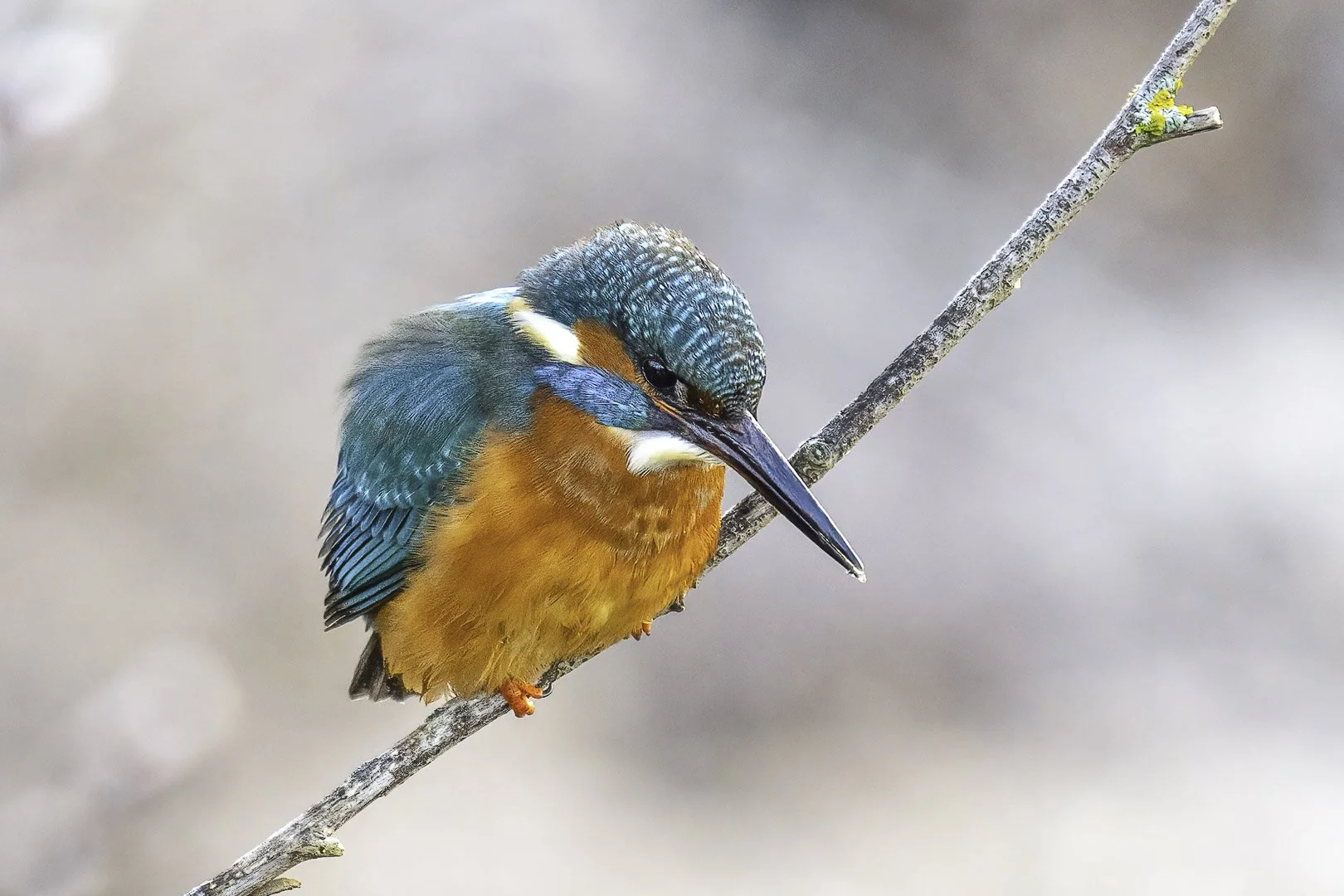
Extra tip for photography in Nuremberg: the common kingfisher is often seen and photographed here.
The common kingfisher is a native bird that lives along rivers and streams. In Nuremberg you can watch the kingfisher especially often on the Pegnitz and the Rednitz. The kingfisher is known for its striking looks, with blue and orange plumage and a pointed bill. If you are lucky, you can watch it fly elegantly over the water and dive for prey. To photograph the kingfisher, you need to be patient and quiet and leave it undisturbed. With a little luck and patience, though, you can come away with some amazing images of this beautiful bird.


