
On a study plot of just over three square kilometers in the Fichtelgebirge, the recorded European adder population fell from 48 animals to just eight within 25 years. That is a drop of about 83 percent. The Bavarian Red List reflects this decline in numbers as well.

Why the Adder Is Under Pressure
One of the main causes is the loss of suitable habitat. Adders need varied ground with sunny spots where they can warm up, but they also need cover, places to hide and suitable sites to spend the winter.

Bogs, wet meadows, open woodland, forest edges and natural floodplains offer those conditions. Draining bogs, planting trees on suitable open land or breaking up connected habitats all make conditions worse for these rare reptiles.
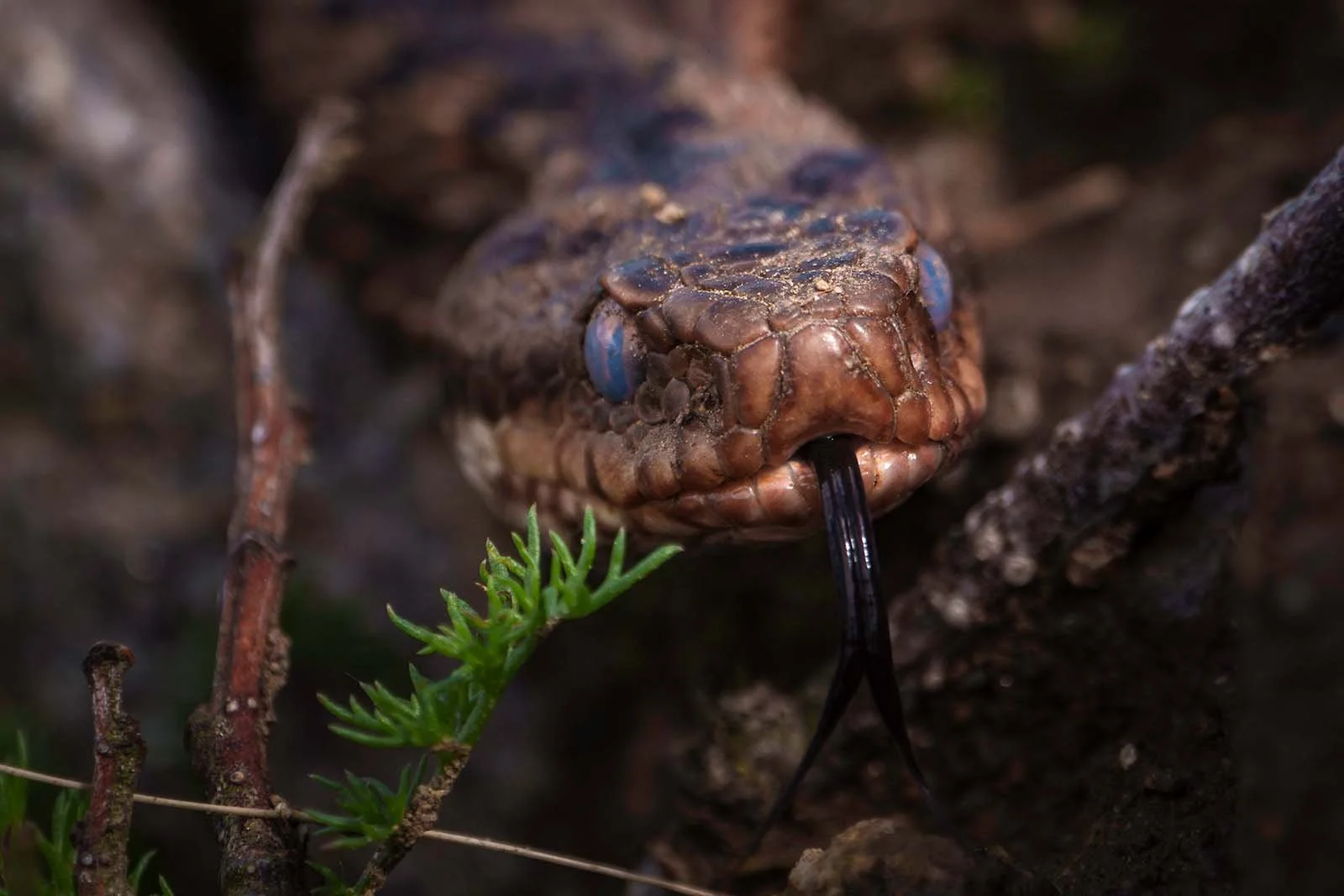
Young adders in particular depend on small frogs and lizards for food. If amphibian and lizard populations fall, their food supply can disappear along with them.
Adders Are Highly Endangered in Bavaria
In Bavaria the adder counts as highly endangered. In 2026 the Bavarian State Office for the Environment even called it threatened with extinction outside the Alpine region.

One example from the Fichtelgebirge shows that conservation work can help: in the “Waldwiesen” project area, the number of recorded animals rose from eight to 18 between 2004 and 2008. Among other measures, habitats were improved there and open structures were created.
Even so, the long-term figures are clear: individual adder populations in Bavaria have lost a large part of their numbers within a few decades.


