

An ecosystem is a community of a particular animal, plant, and fungal population living together in a specific habitat, also called a biotope. The forest as an ecosystem covers a larger area with a high density of trees. It is home not only to different plants but also to many animals, such as roe deer, hares, foxes, and various insects. Fungi play an important role in the forest ecosystem as well. The diversity of species in the forest is enormous, and it helps keep the ecological balance.
As major producers of oxygen, forests matter a great deal for our planet. They are also part of the water cycle. At present, forests cover only about 30% of the land surface on Earth.
The forest as an ecosystem matters a great deal today, and the challenges it faces in a time of climate change and pollution are all the greater. The forest ecosystem is a complex system made up of different elements, among them plants, animals, and soil. The forest plays an important role in the fight against climate change, because it binds CO2 and so helps reduce greenhouse gas emissions. The forest is also a habitat for many animal species and therefore an important part of biodiversity.
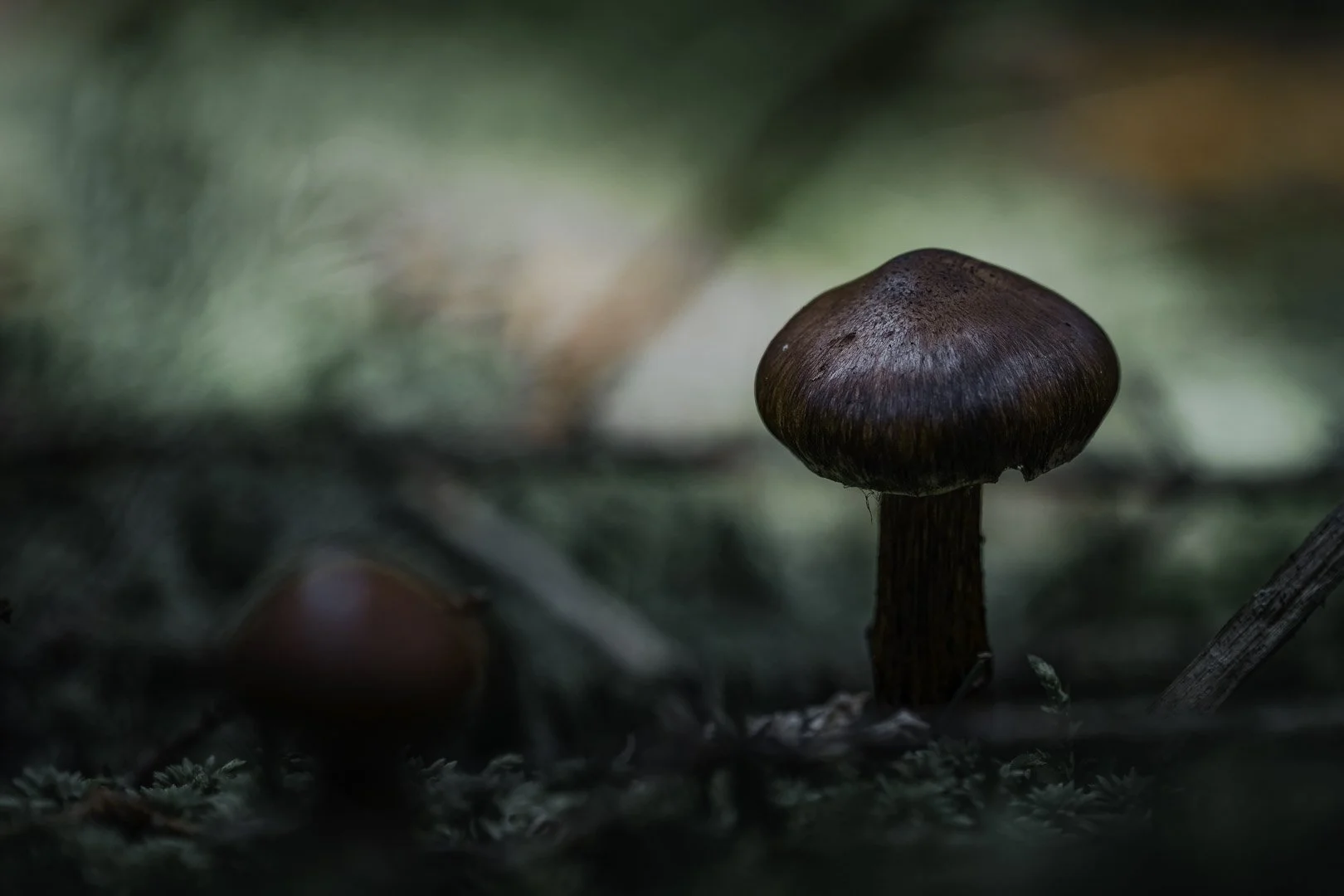
Germany has both broadleaf and conifer forests, and the two differ clearly in what they are made of and how they look. The shift from broadleaf to conifer forest is often gradual and depends on factors such as climate, soil, and geographic location.
It is important to note, though, that this shift from broadleaf to conifer forest is driven by human action, such as clear-cutting or the planting of monocultures. Actions like these can cost a forest its diversity of species and its ecological balance. That is why it matters so much to protect the forest as a valuable ecosystem and to manage it sustainably.
It is unfortunate that the stock of broadleaf forest in Germany has dropped sharply over the past centuries. Broadleaf forest is the original forest type in Germany, yet today it accounts for only thirty percent of the roughly 11 million hectares of forest.
The reasons for this decline are varied. Large-scale clearing of broadleaf forest in the Middle Ages certainly played an important part, and so did clearing further back than that. Many German forests were cut down at the time to use the wood for shipbuilding and for building towns, which drove the decline of broadleaf forest even further.
Today’s forestry also has a strong effect on the state of the broadleaf forests. Instead of slow-growing and expensive beech timber, demand rose for fast-growing spruce. In 1860, 70 percent of German forest area was pure broadleaf forest; today it is only 30%.

So we should work to protect and preserve the valuable broadleaf forests. Broadleaf forests have an important function in the ecosystem and are a habitat for many animal and plant species. We need to be aware of the important role these forests play, and to stand up for keeping them.
Real, naturally grown broadleaf forests have become rare in Germany. There are still a few larger continuous areas of broadleaf forest, though, mostly in national parks. One example is the Eifel, with around 110 square kilometers of near-natural, lightly managed beech forest. This national park is also home to rare wildlife such as the wildcat and the Eurasian eagle-owl, and to red deer. Around the Obersee, the Rursee, and the Urftsee there are particularly many rowans, oaks, and downy birches.
Another impressive broadleaf forest is Hainich National Park, the largest continuous broadleaf forest in Germany. This old-growth forest stretches across a ridge in western Thuringia and covers 130 square kilometers, where beech in particular grows. Together with the Serrahn beech forest in Müritz National Park, the Hainich area is part of the UNESCO World Heritage. You will find the oldest and largest beeches in Germany here. Unlike forests that are managed for timber, most of these trees are several hundred years old.
Kellerwald-Edersee National Park in Hesse also holds one of the last old, naturally grown European beech forests in Europe, and it too has been added to the UNESCO World Heritage.
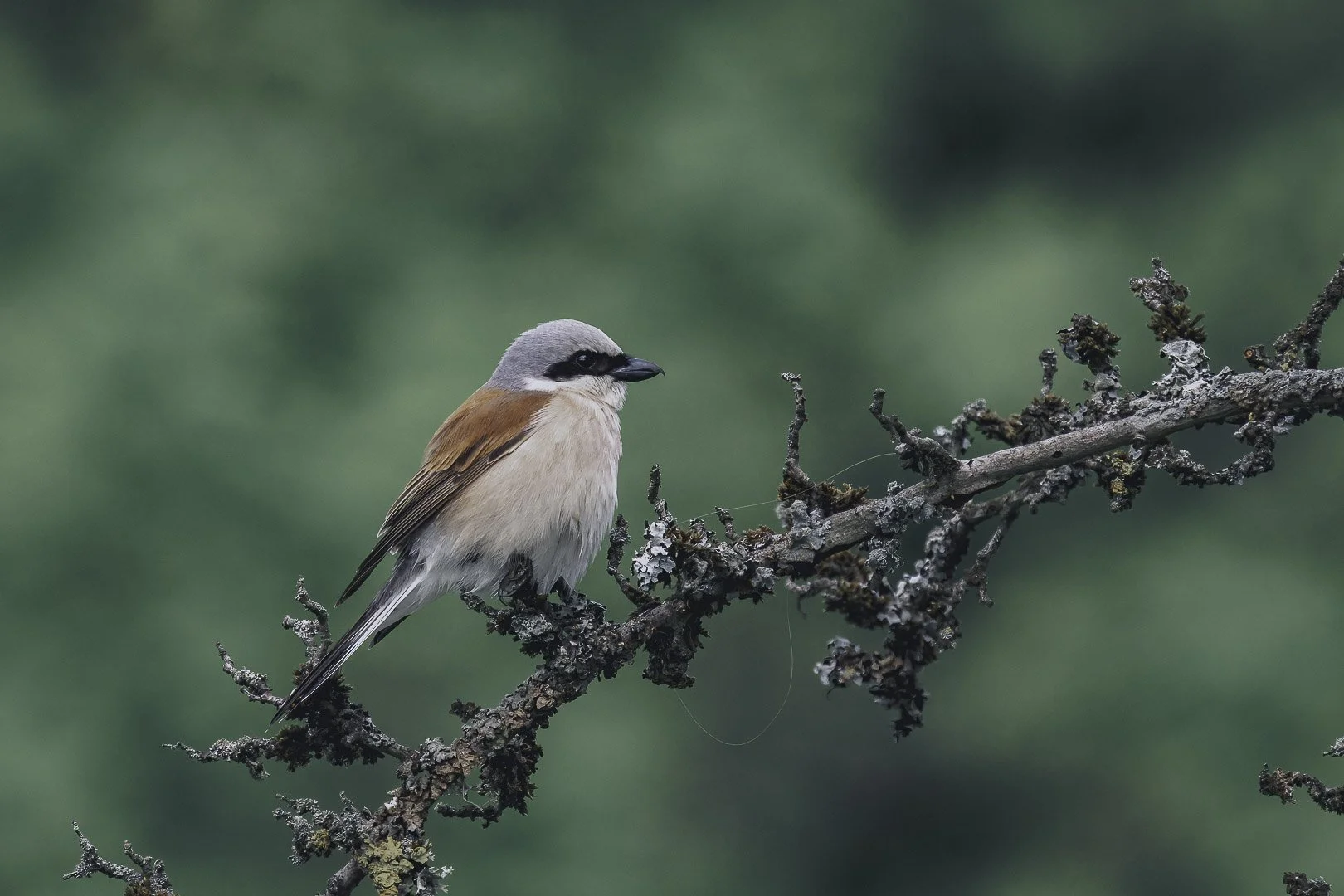
Photographing in the forest ecosystem can be an exciting and rewarding experience. There are a few things to keep in mind, though, so that you do not disturb or even harm the forest and the animals living in it.
First, be aware that you are a visitor in the animals’ habitat, and behave accordingly. Being loud, gesturing wildly, or trampling plants can scare animals off or change the way they behave. In the worst case it can destroy their habitat.
So it is important to move carefully and to fit in with your surroundings. That includes staying on marked paths and avoiding sensitive areas such as bogs or the banks of waterways.
To photograph animals in the forest, find a quiet spot and wait. That gives you the chance to watch the animals behave and to photograph them without disturbing them.
Another important point is protecting nature. Neither plants nor animals should be harmed by your photography. That means, for example, that you should not pull up plants or push animals into a particular pose.
In short: photographing in the forest is a fine way to enjoy nature and hold on to it. But it is important to treat the surroundings and everything living there with respect, and to watch that neither animals nor plants are harmed by your photography.
