Guidelines for Shutter Speeds in Photography
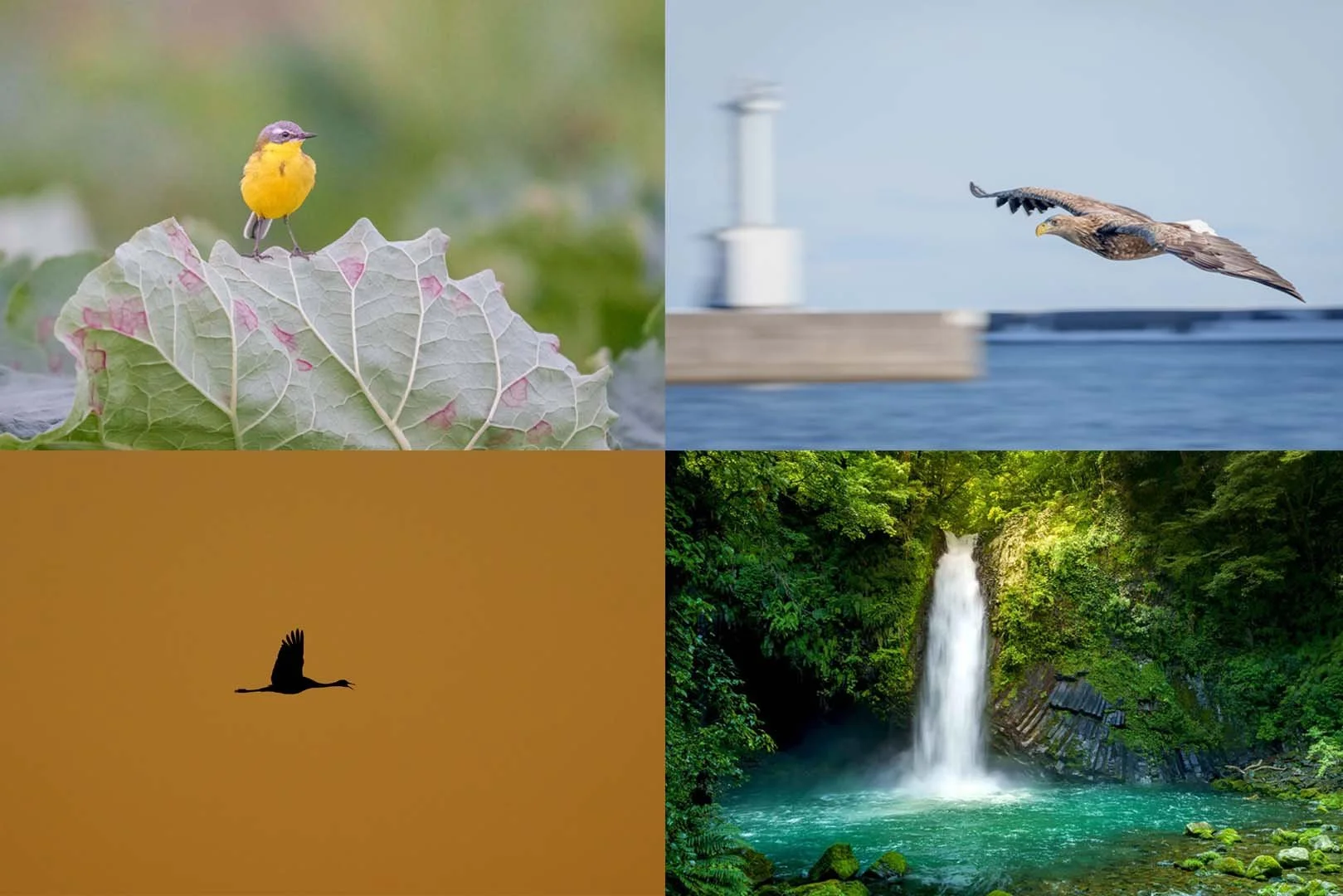
The right shutter speed is crucial for either freezing motion or intentionally capturing movement. Here are some proven reference values:
Sharp Images of Moving Subjects
- 1/1000s: Running animals or slow-flying birds.
- 1/2000s – 1/4000s: Fast-moving subjects like birds in flight.
Panning Shots (Intentional Motion Blur)
- 1/80s: For dynamic effects in fast-moving subjects, such as birds in flight.
Long Exposure for Creative Effects
- 6 seconds: To create a soft, flowing water effect.
Shake-Free Shots – An Old Rule of Thumb
This guideline dates back to the film era but still serves as a useful reference:
- 1/Focal Length: Use at least the reciprocal of the focal length (e.g., 1/400s for a 400mm lens).
- High-Resolution Cameras: Use even shorter shutter speeds, as high-megapixel sensors amplify motion blur.
These values serve as a general guide and should be adjusted based on your subject and lighting conditions!
Advertisement
Canon RF 100-500mm f/4.5-7.1L IS USM Lens
A telephoto zoom with image stabilisation for wildlife and birds on Canon RF cameras.
View at Pro-Camera Advertisement
WOSPORTS 25-75×85 Spotting Scope with Tripod
A spotting scope with tripod for watching birds and wildlife from a distance.
View at WOSPORTS Images and text: Markus Nilles. AI-assisted proofreading.


