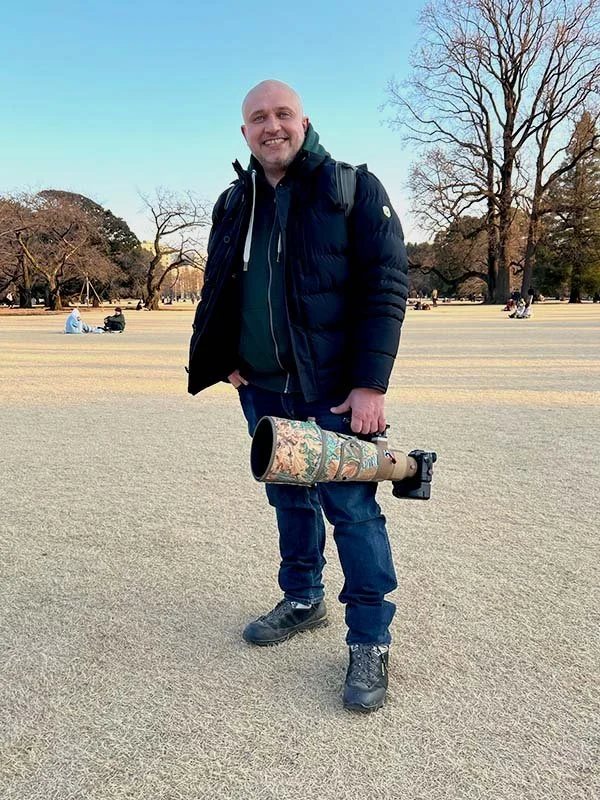
In the coming weeks, I will document some stops of my Wild Japan trip (Winter 2023) in this live blog article. This adventure will be a natural spectacle in wintery Hokkaido. The focus will be on photographing Steller’s sea eagles, red-crowned cranes, Ezo foxes, Ezo owls, and much more.
Before that, however, there will be a few weeks of acclimatization, good food, and some urban wildlife experiences before heading to Hokkaido.
Feel free to join me 😀 Enjoy!, Markus
22.01.2023 – Last day in Tokyo
The suitcases and the camera backpack are packed, tomorrow morning we head to Hokkaido. We had a few beautiful weeks here in Tokyo, with trips within Tokyo itself, to Kyoto, Nara, and Nagano. Good food, culture, and a bit of urban wildlife were our constant companions.
Today we took advantage of the time and walked in a small historical park that the former Shogun family Tokugawa had created.
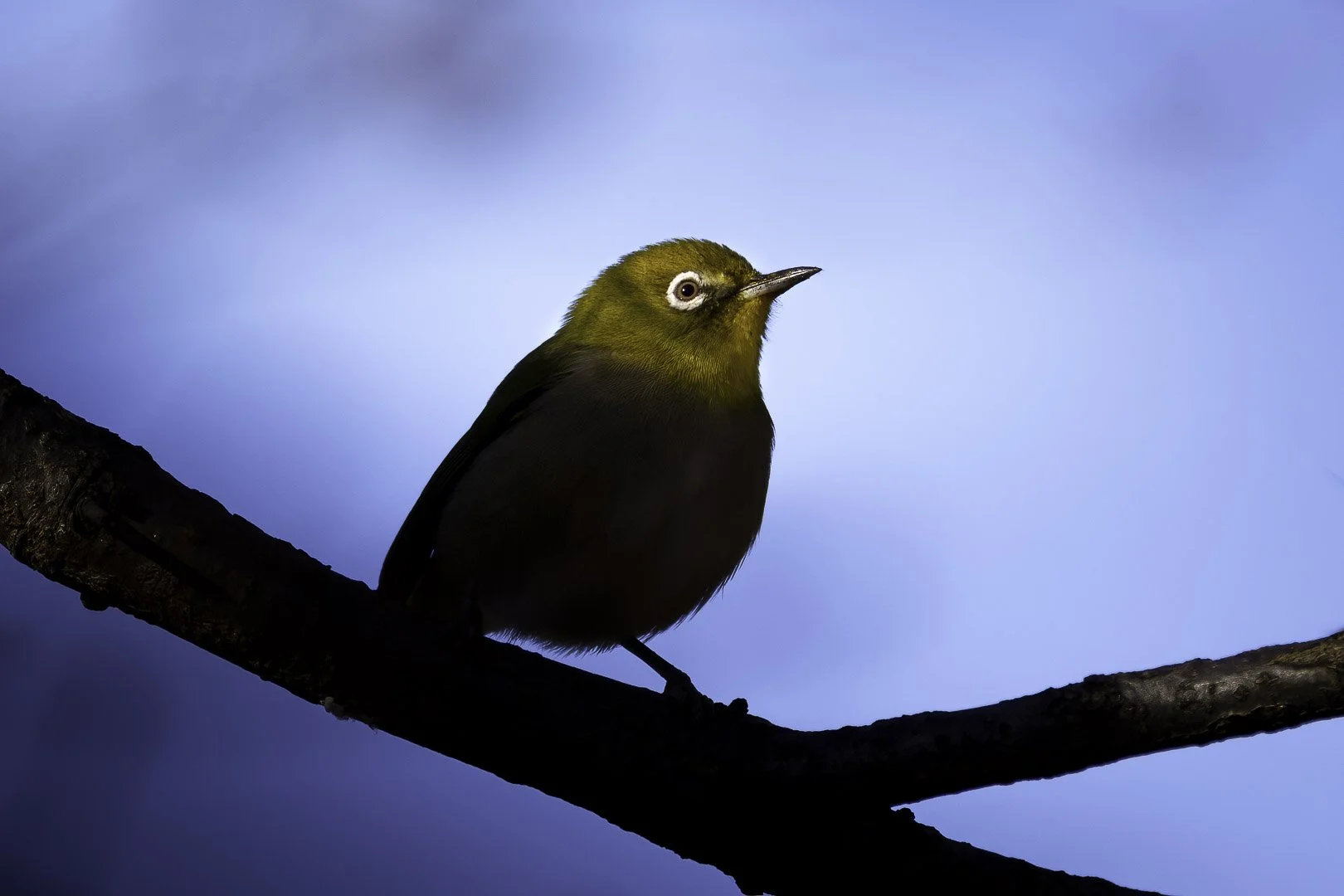
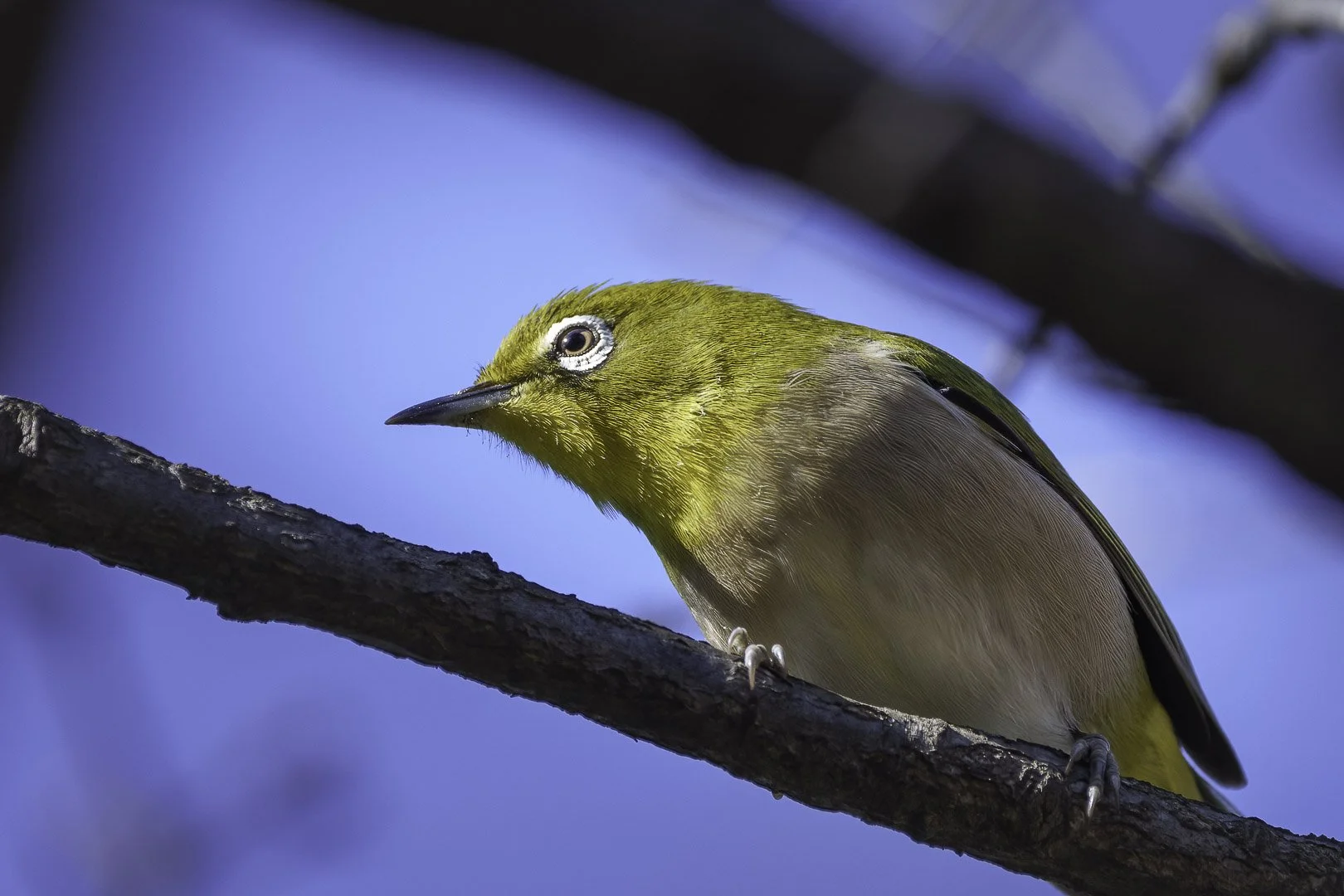
Between the large well-known parks, you can find many smaller (mini) parks between the residential houses in Tokyo, which were created for the residents. Here you also have the chance to observe some birds. In all the parks we visited, the brown-eared bulbul (Hypsipetes amaurotis), Japanese white-eye, and jungle crow were always present. The Japanese white-eye is one of my favorites; since it feeds on nectar, this small bird can be found in the cherry blossoms in spring. This creates a beautiful photo motif of the green bird in the pink cherry blossoms, a great contrast. Unfortunately, I didn’t get the chance to photograph the small bird in the blossoms on this trip. I also couldn’t get it close enough to the camera. In a small park around the corner, where I regularly walked by in the first weeks, I was able to find the little one as well. Unfortunately, not with the success I had hoped for, but it’s always a nice encounter with the bird that is not even as big as a sparrow.
To conclude, here are a few photos I took of it.
So, I close this live blog as the first part of my trip and for our further venture, I will open a new one.

19.01.2023: Kyoto, a walk in Shosei-en Garden The Shosei-en Garden in Kyoto Japan
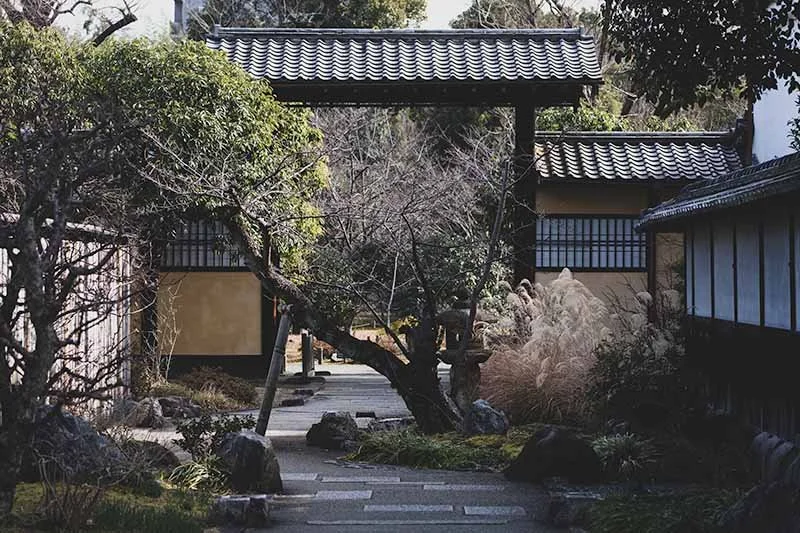
Today I took it easy; the night before, I noticed a park around the corner from my accommodation, only because the calls of gray herons echoed from the grounds.
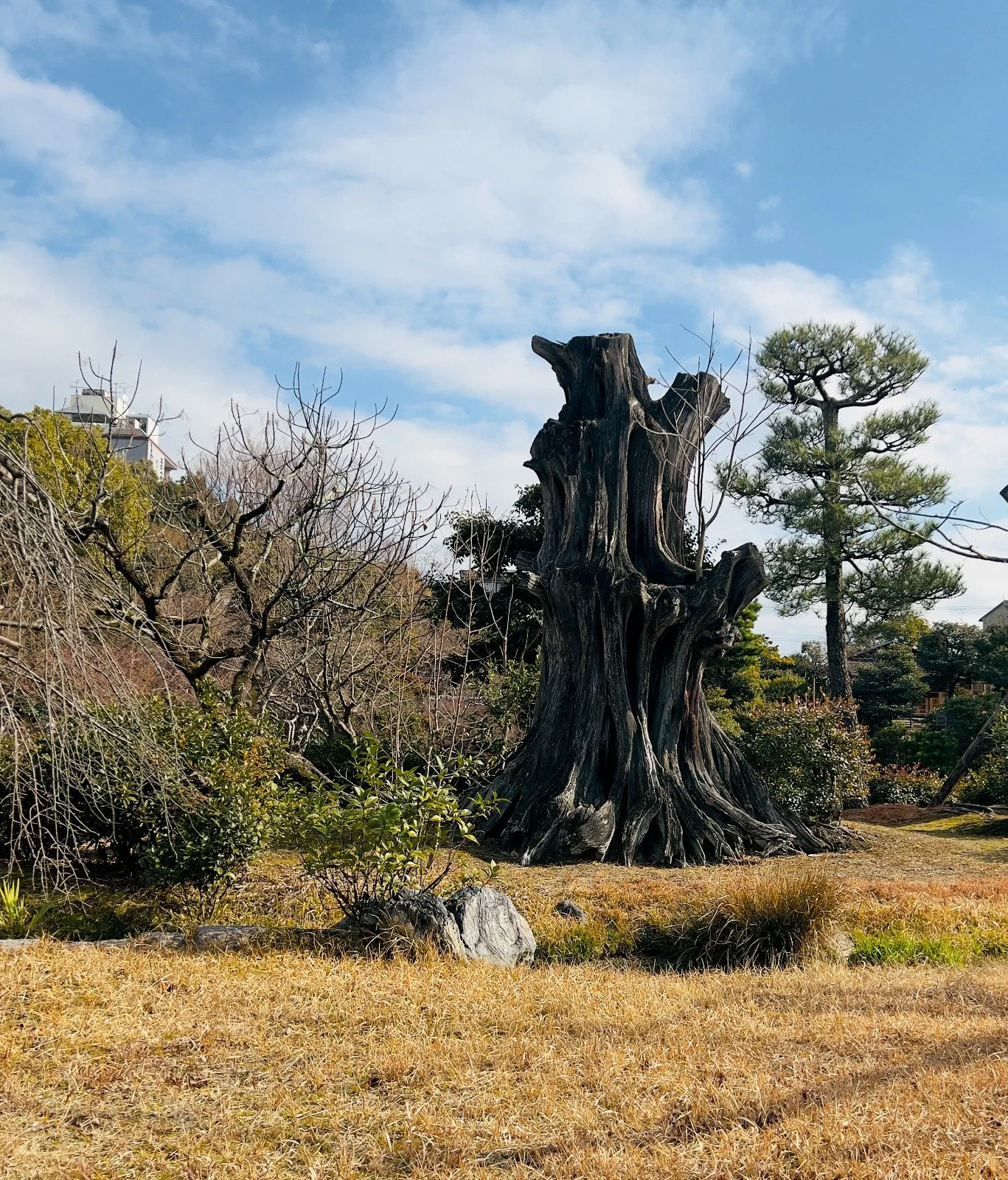
It was a 10-minute walk to the entrance; the facility is called “The Shosei-en Garden“. I have linked the name, you can get further information here. The garden was apparently being prepared for spring. The water from the small lake was drained, and landscapers were bustling in various corners of the facility. Nevertheless, the park exuded tranquility and invited visitors to linger.
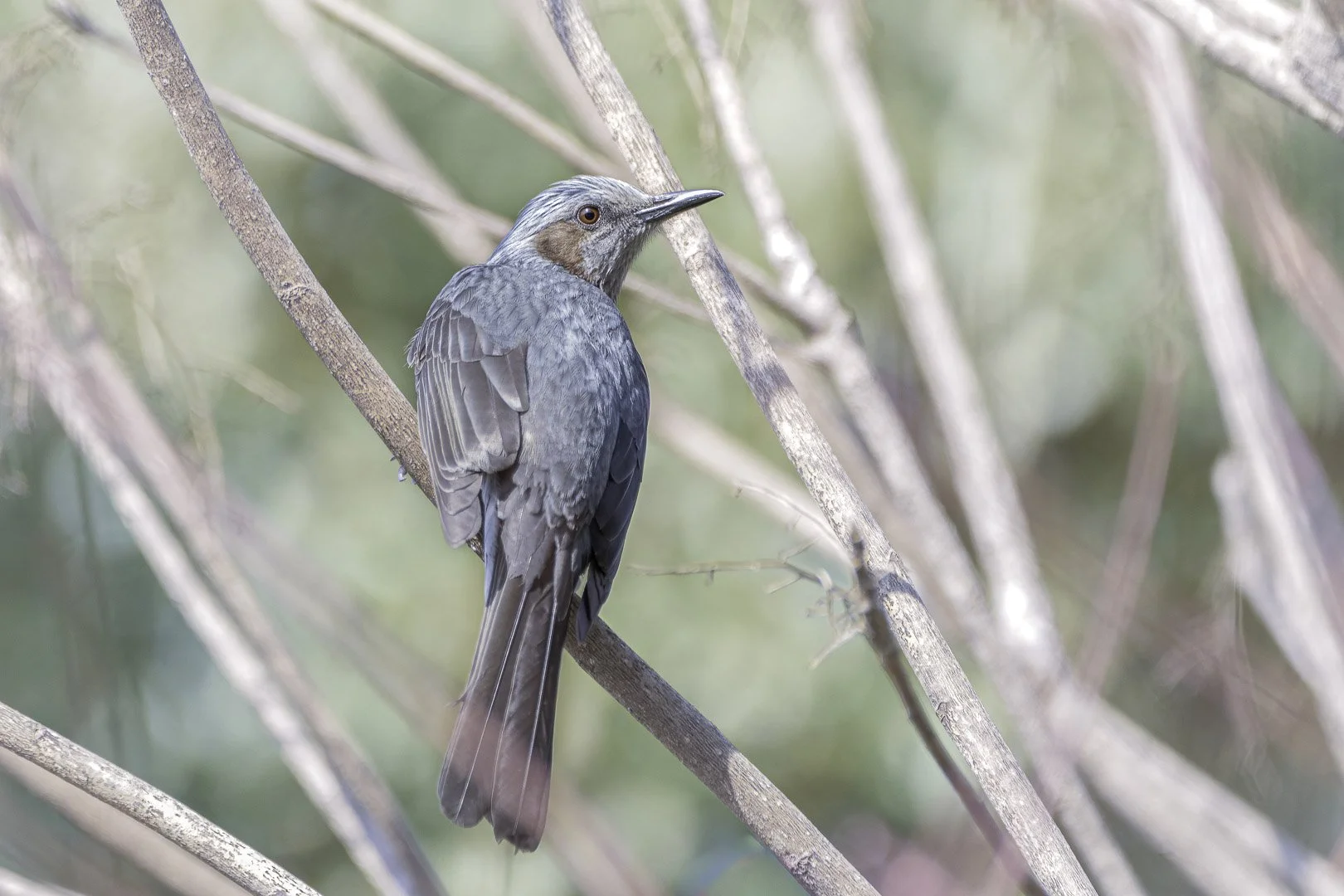
I had the Sony A1 + Sony 100-400 F4.5/5.6 GM OSS with me and strolled through the park with open ears. During this time of the year, you constantly hear a bird in Japan, called the brown-eared bulbul (Hypsipetes amaurotis), which is not found in Europe.
I immediately spotted the brown-eared bulbul (Hypsipetes amaurotis); I had already taken a picture of it in Tokyo, but I wasn’t really satisfied with it. The birds are very shy and usually stay in the upper part of the trees. I followed the bird’s song, thinking that where the brown-eared bulbul is, there must be other species too. At a spot by the drained pond, there were shrubs and trees along a narrow path. Some were evergreen, and some were in their winter attire.
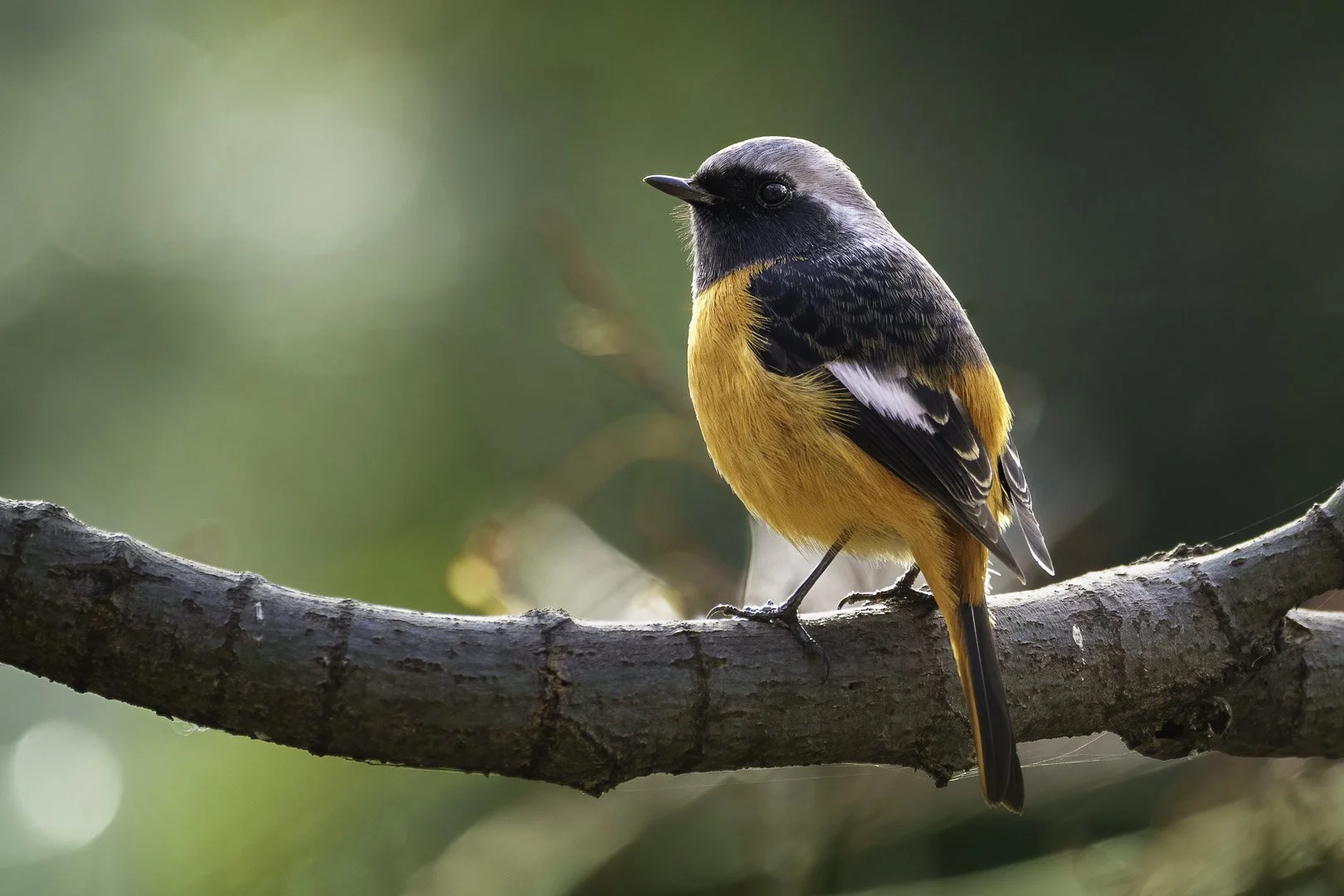
I stood by the edge of the waterless pond for a while, looking around. That’s when I discovered a black, orange-colored bird that I couldn’t categorize, but I had seen it during my internet research on Japan’s birdlife. I snuck closer and took the first shots. When sneaking, I use the following tactic: I take the first pictures from a safe distance and with a relatively short exposure time. So, the documentation photo is already in the bag. Then I take a few steps closer to the subject and take the next series of pictures. Then I stand still and wait a bit, so the bird doesn’t feel threatened by me.
This way, I got reasonably close to the beautiful colorful bird; after a few shots, I even had the chance to take a short video, but it wasn’t very successful. My later research indicated that it was a “Daurian redstart” I was thrilled to capture this colorful fellow. Additionally, I had another chance to photograph the Brown-eared bulbul (Hypsipetes amaurotis), and I managed a better shot than in Tokyo, which made me happy. Finally, a “Grey wagtail (Motacilla cinerea)” came by and presented itself on a stone after searching for food in the drained pond.
All in all, a good day; the park was not big but beautiful.
I’ve included a small gallery with pictures taken today below, enjoy!


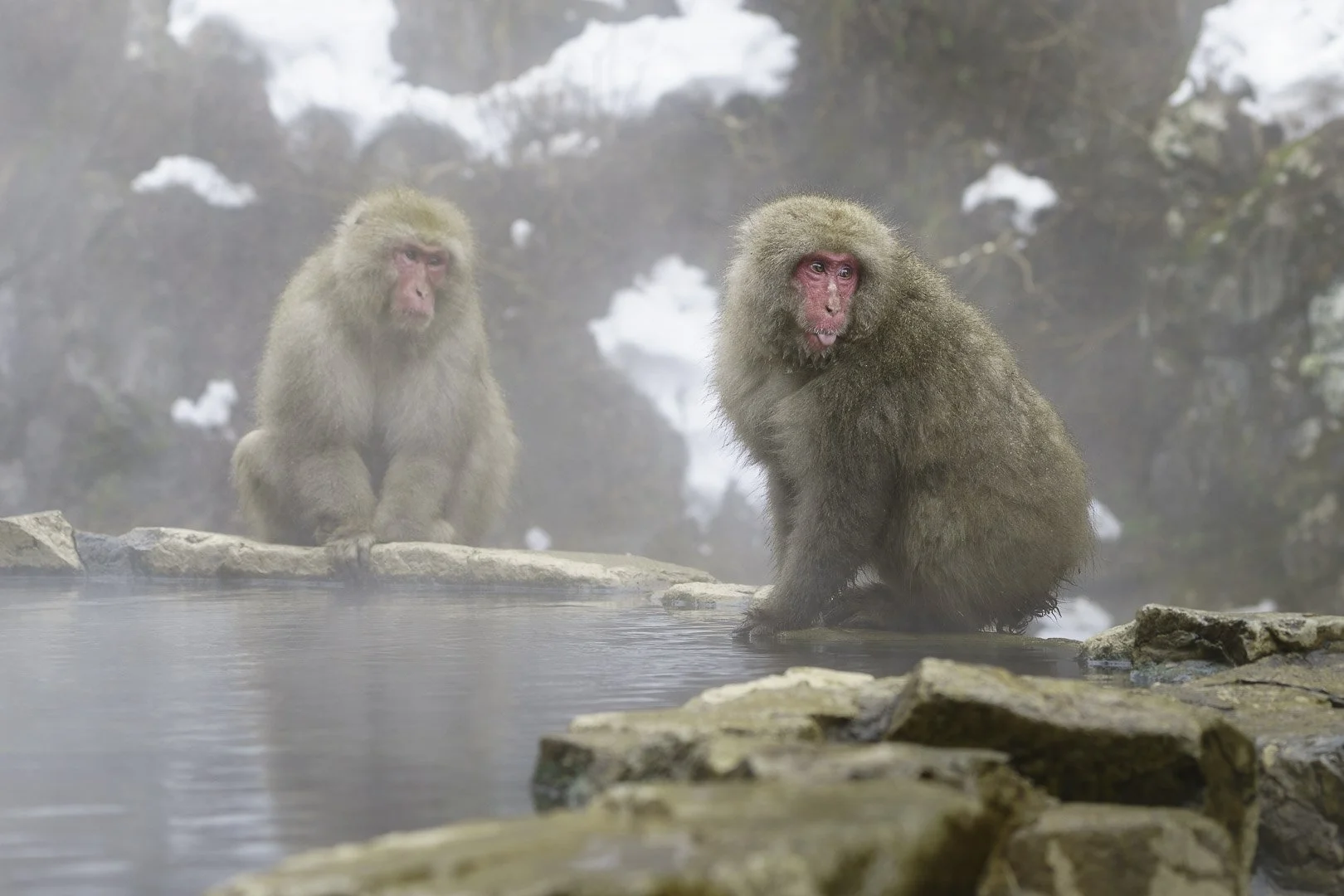
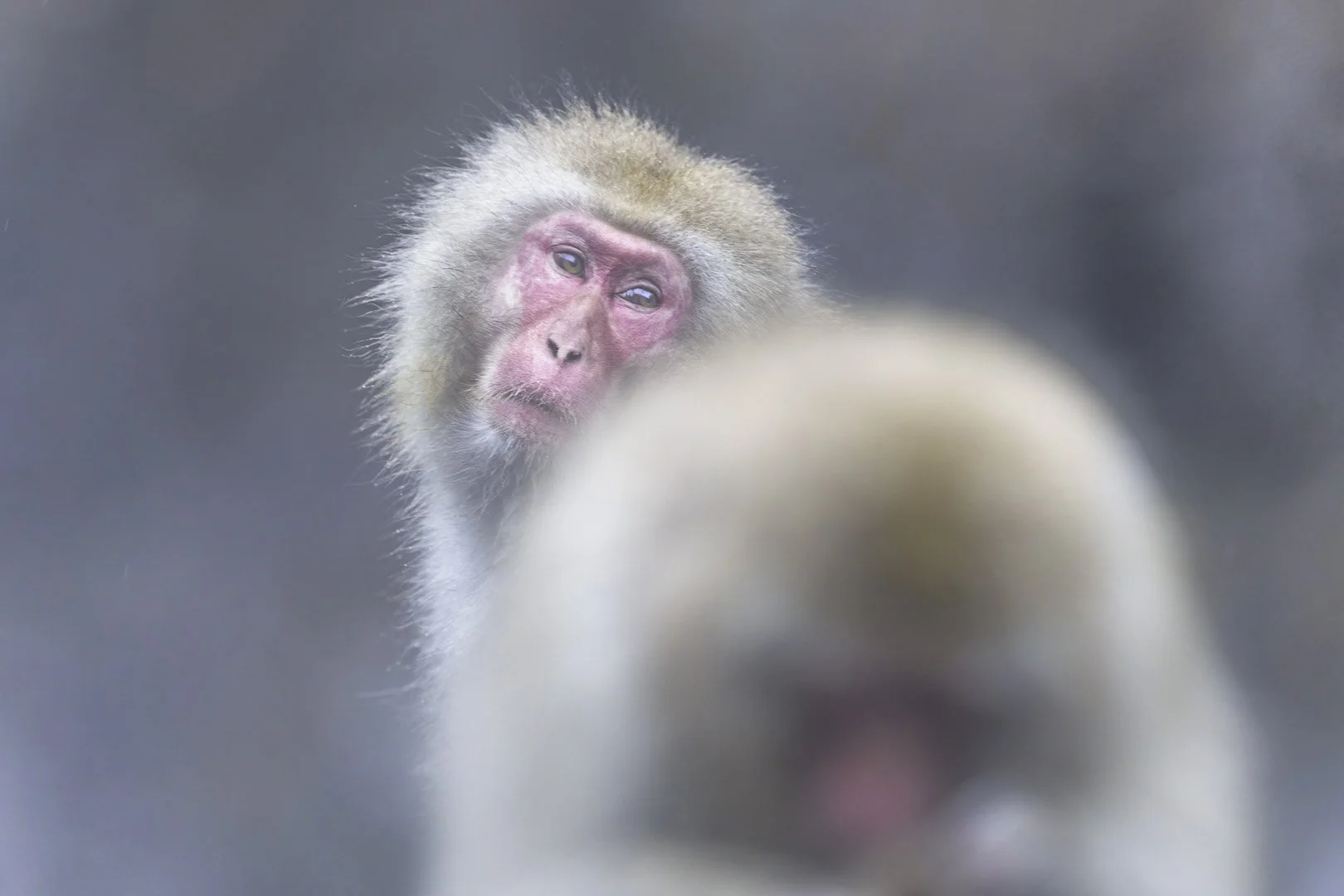
16.01.2023 The Snow Monkeys of Nagano
7 AM — The alarm rings, at 8 AM there’s breakfast, and then straight to the Japanese snow monkeys. It snowed overnight and continues to snow, unfortunately not as heavily as hoped. Heavy snowfall would add a special touch to the pictures.
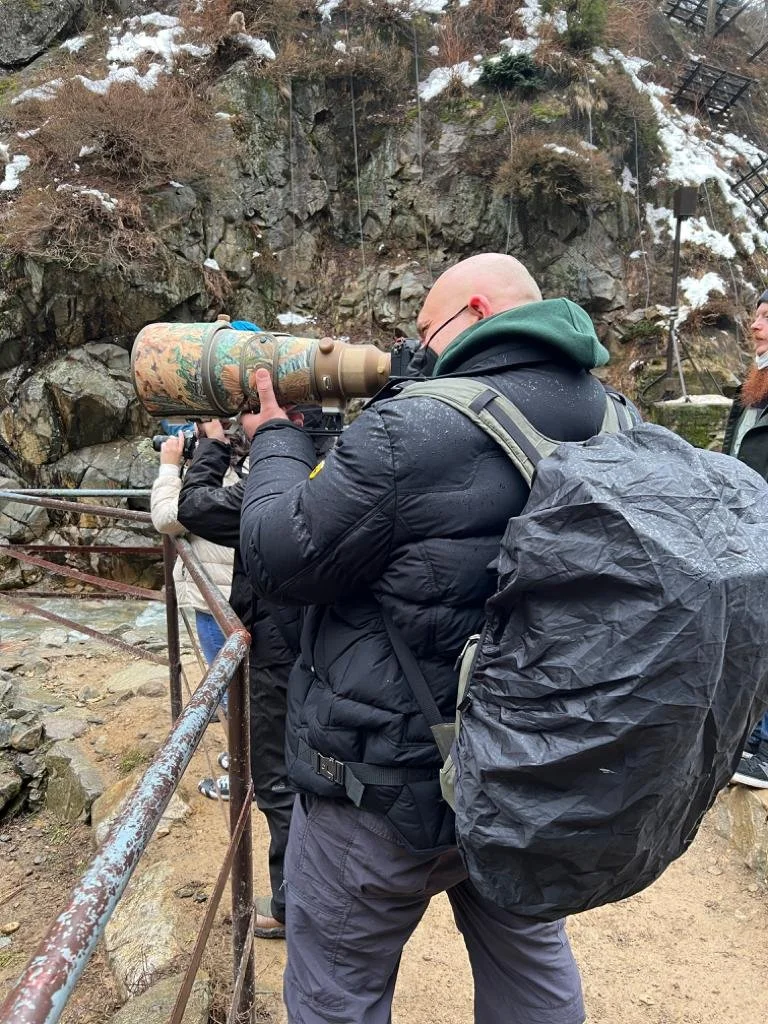
I almost have the same setup again; this time, I combined the A1 with the 100–400 mm f4.5 / 5.6 and the a7 RIV with the 400 mm f2.8. Since I also wanted to shoot some videos, the combo with the Sony A1 is better, as you are very close to the monkeys. Even with a smartphone, you can get great shots, and with the 100–400 mm, I can adjust the focal length as needed.
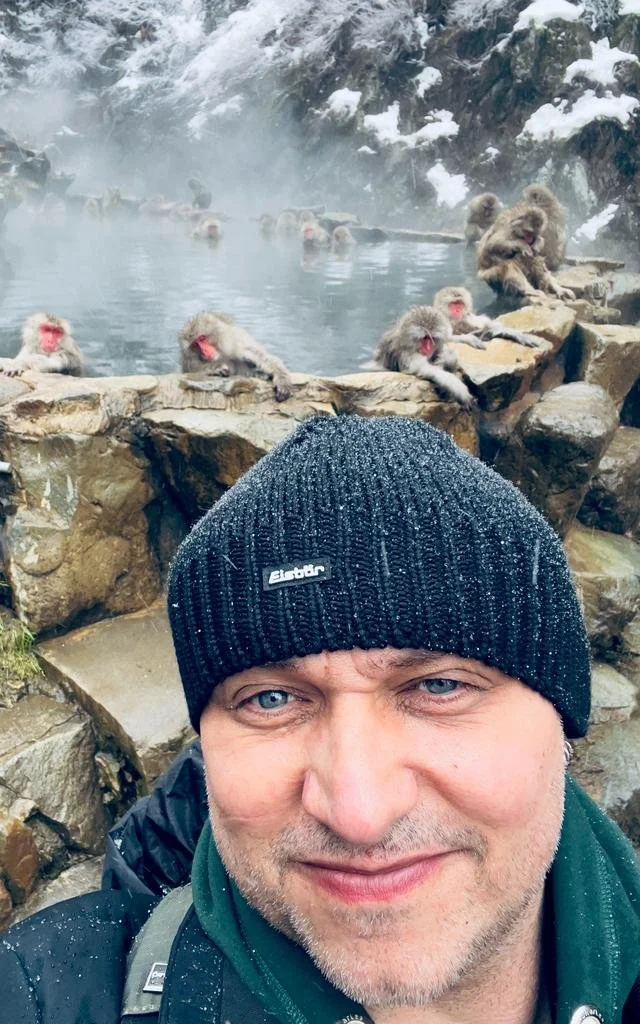
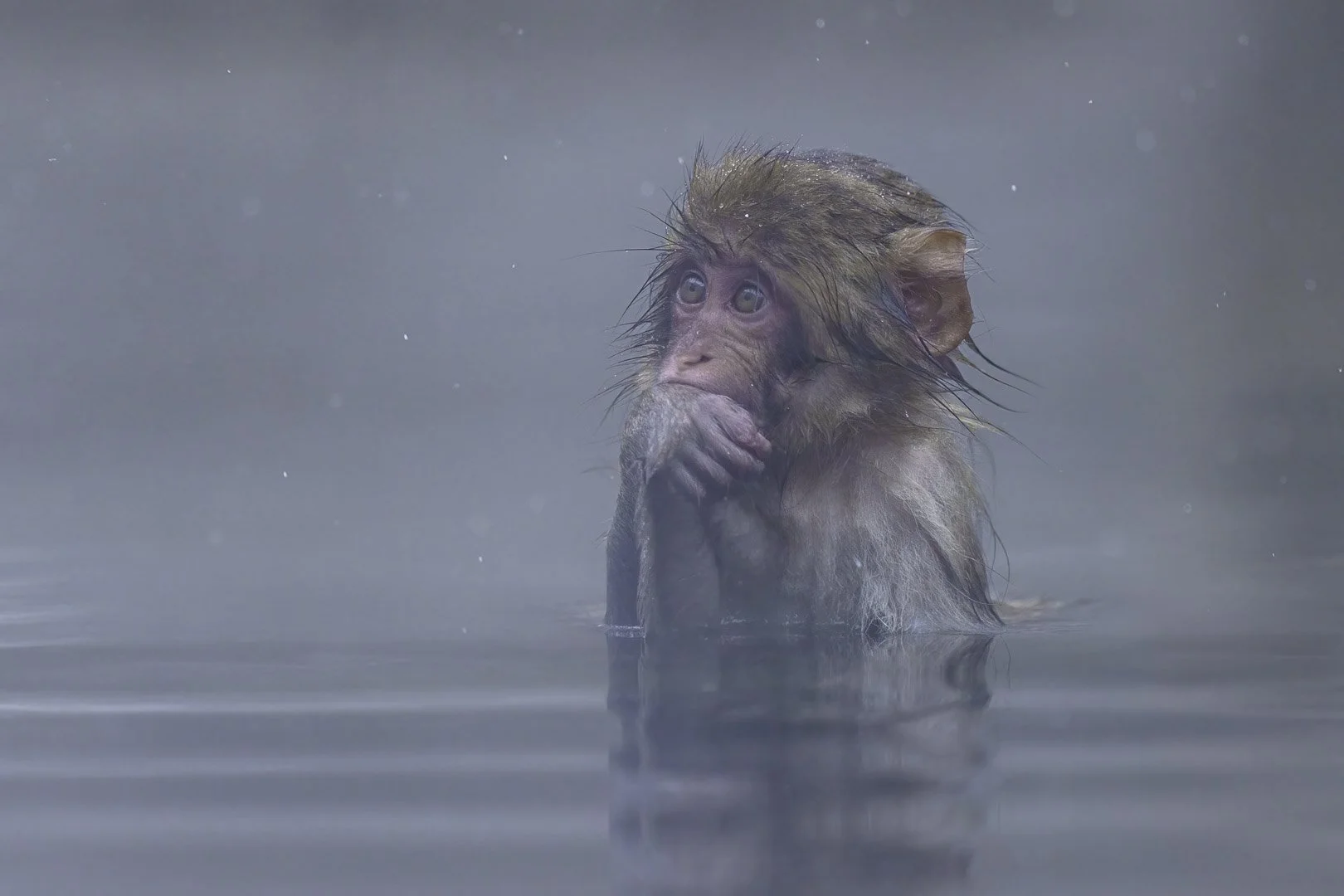
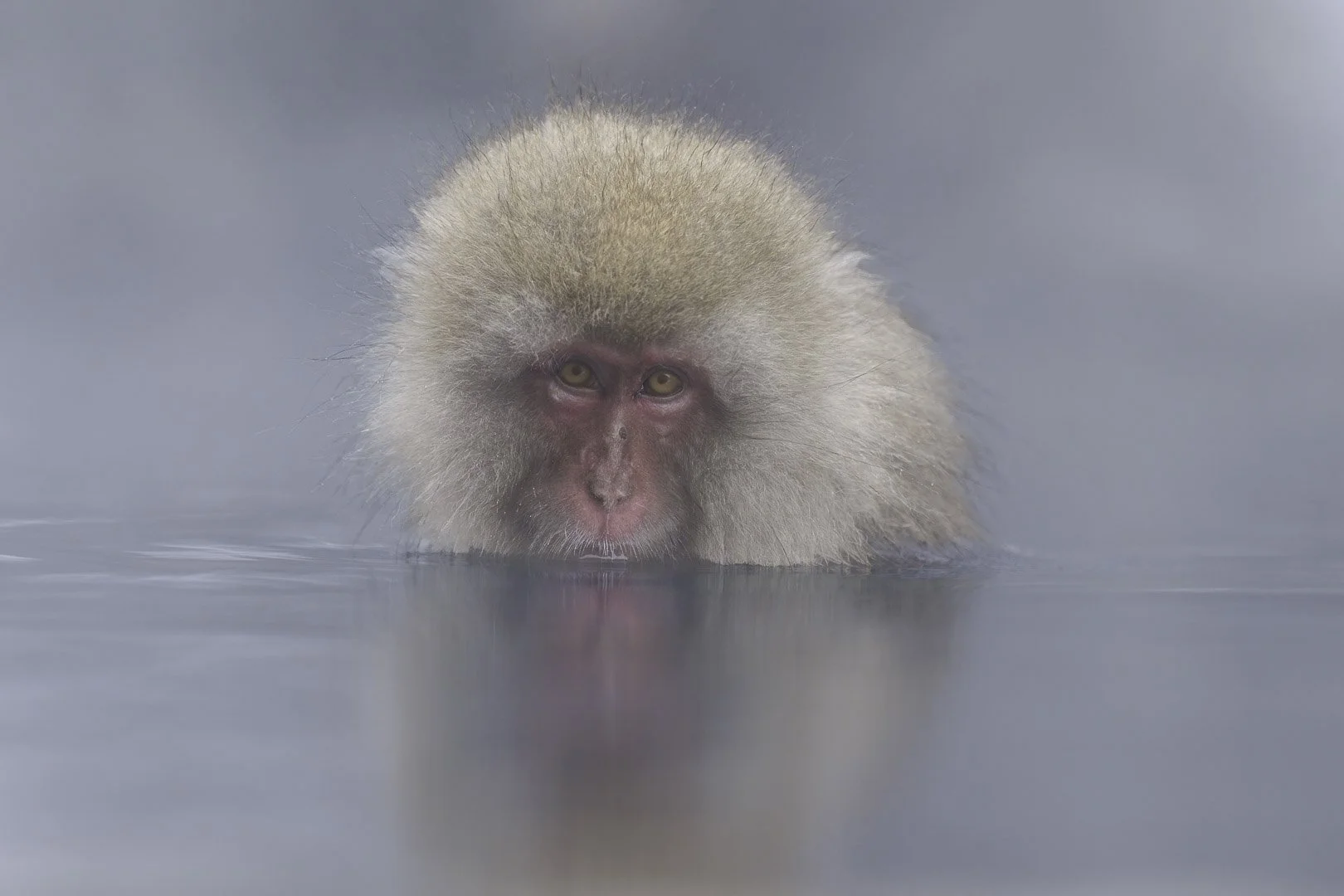
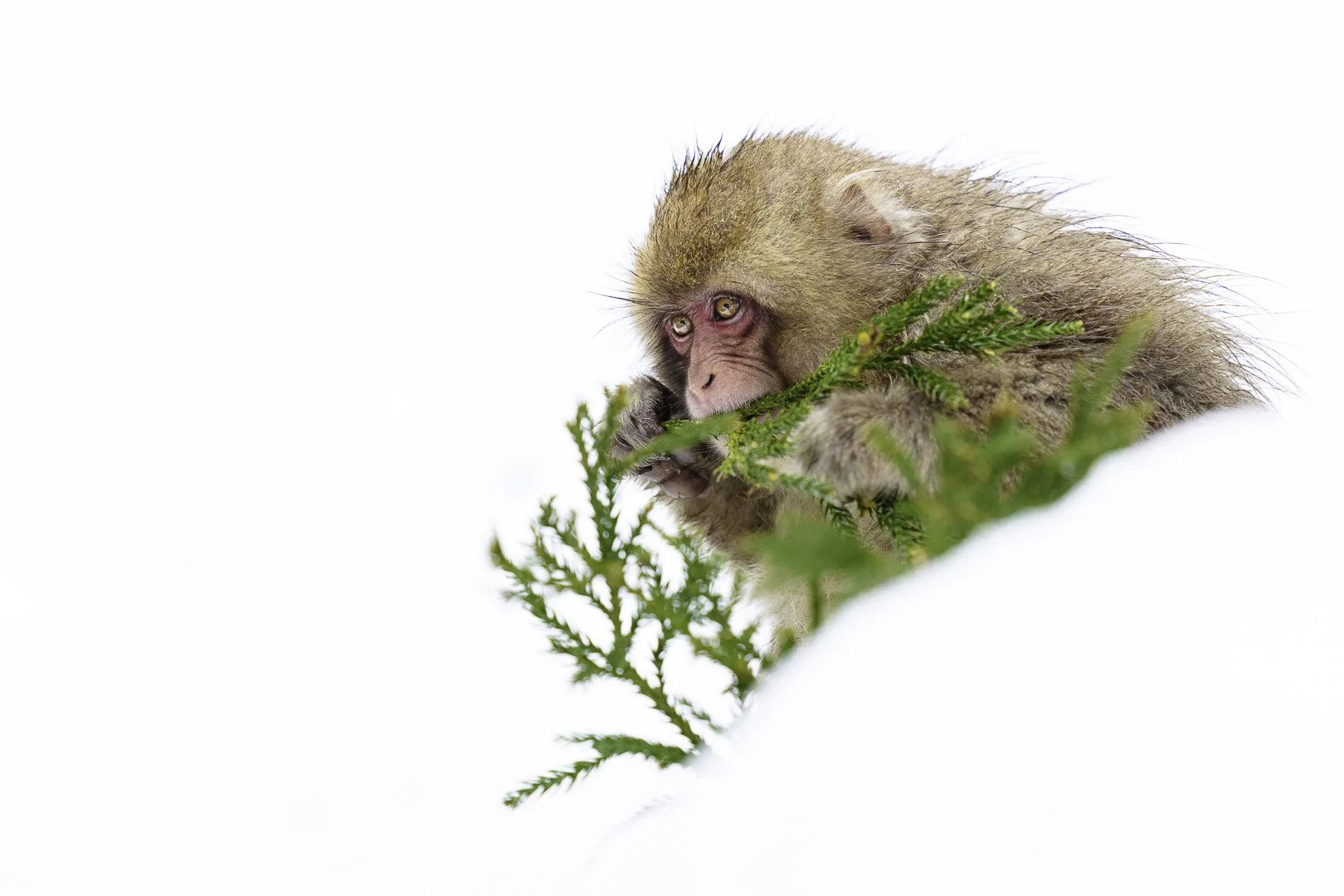
9 AM — I am at the monkey-onsen, and there are already several photographers there, including a Japanese TV camera team filming. After about an hour, I had many photos and films of the monkeys. All three lenses (400 mm f2.8, 100–400 mm f4.5 / 5.6, Tamron 28–75 mm f2.8) and the smartphone were used. 😀 I’ve included a photo I took with the iPhone 13 in the gallery below the text, see if you can recognize it. Many pictures were taken that I need to review and sort out first. As on the first day, I have developed a few of the snow monkey pictures to show you in advance.



15.01.2023 Off to Nagano to the Snow Monkeys

9:53 AM – Today we head to the snow monkeys to photograph them bathing in the natural hot springs. These pictures are probably among the most famous wildlife photos that almost everyone knows from Japan.
The journey starts in Tokyo and ends in Nagano. It involves a 1.5-hour ride on the Shinkansen (bullet train) and then another hour-long bus ride.
12:10 PM — We have arrived at the Shigakogen Roman Museum, where we got off the bus. The rest must be done on foot. About 2 km up the mountain, through a cedar forest, to a valley with a river and hot steam shooting from the ground. There is also a Ryokan, a traditional Japanese hotel, where you can bathe in Onsen (hot springs).
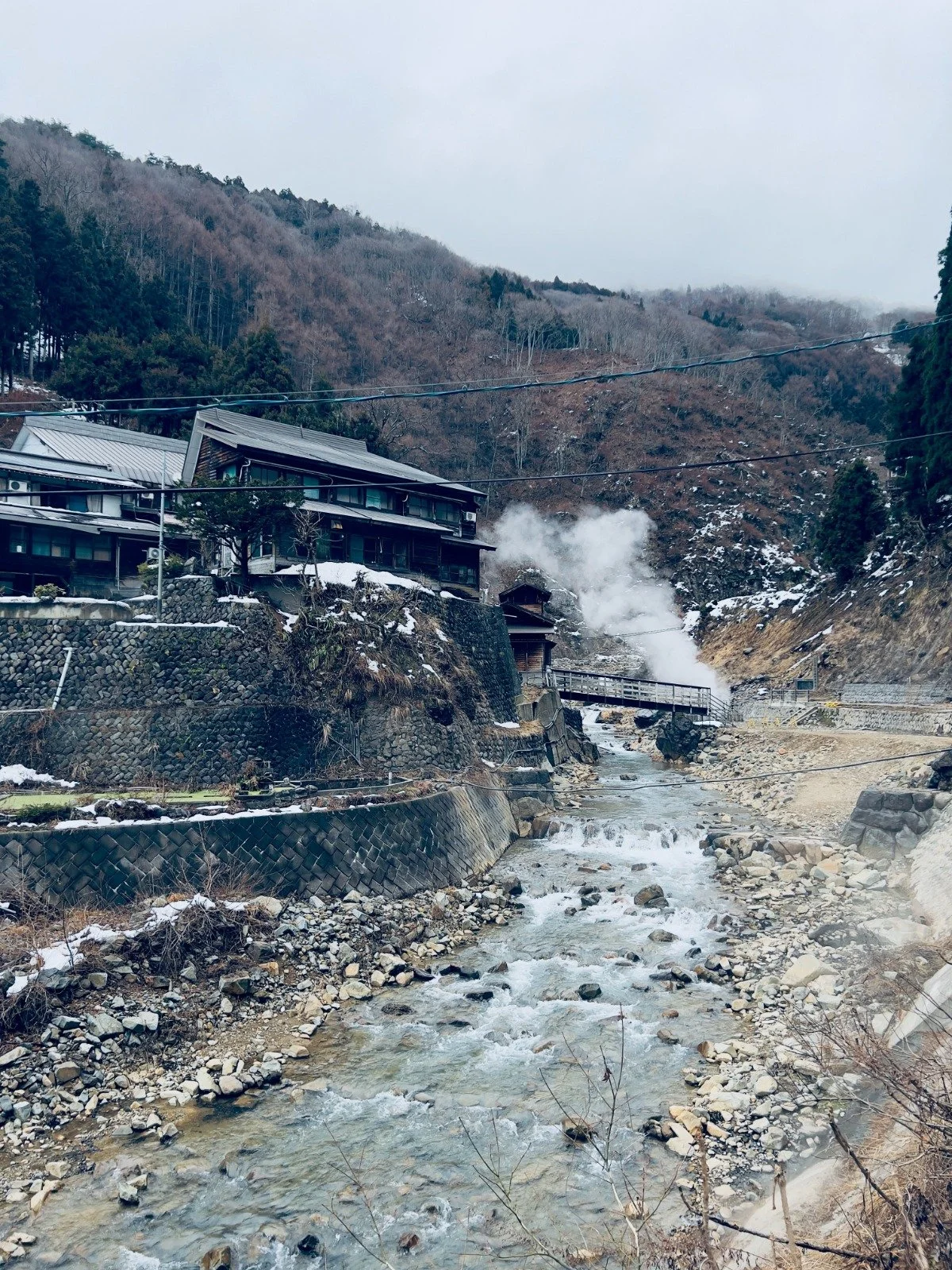
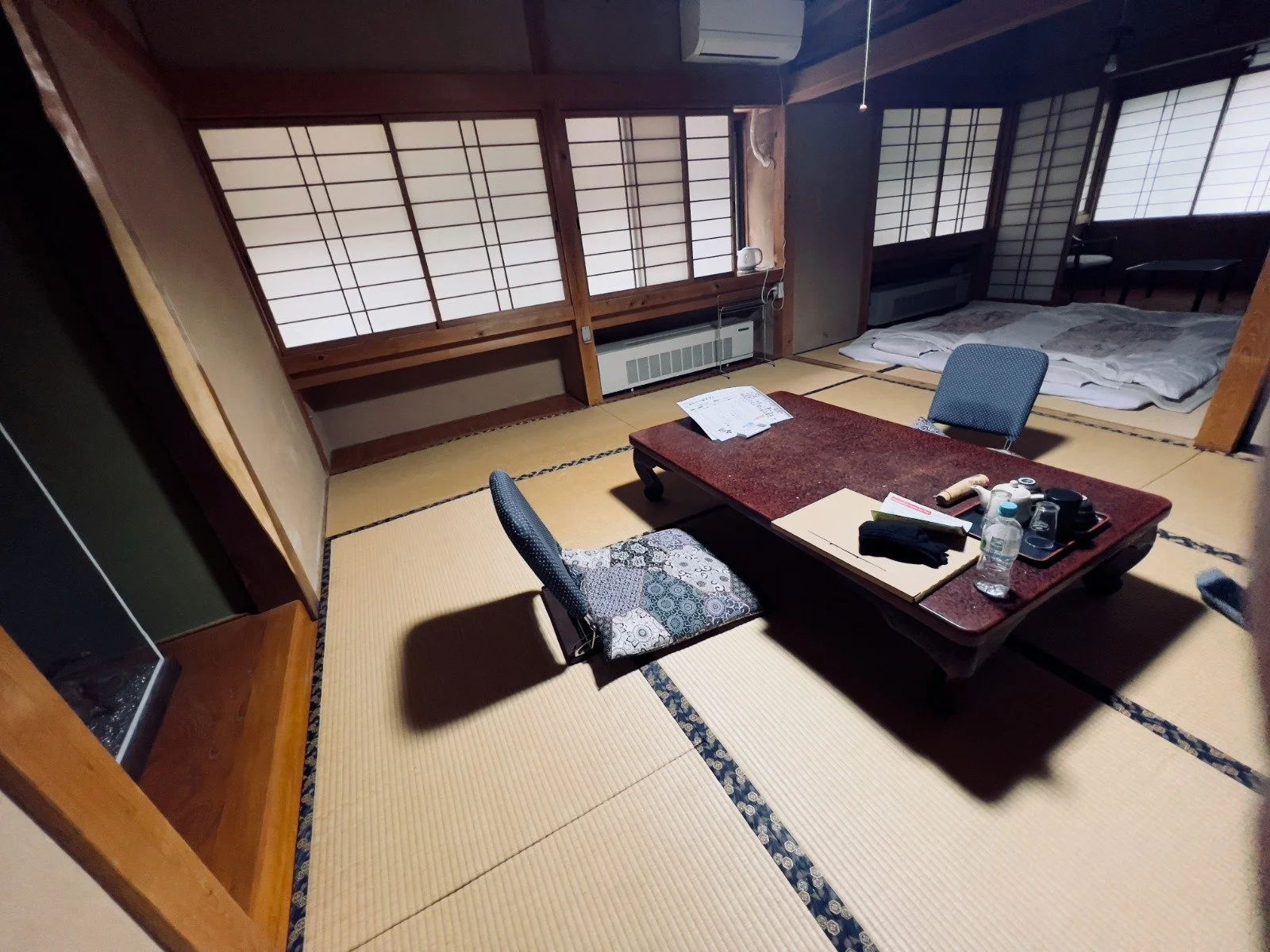
We have booked ourselves here for one night because, besides photographing the snow monkeys, we also wanted to relax a bit. The natural Onsen are perfect for that.
2:45 PM — Checked into the Ryokan and headed to the snow monkeys, which are about 10 minutes away. The entrance to the snow monkeys is right across from our hotel, a steep stair climb, and the rest on a path surrounded by cedars. To reach the hot springs where the monkeys bathe, you have to pay an entrance fee of 800 yen (€5.76 at the daily rate). And off we go, the monkeys don’t take long to appear; you can already photograph the animals in advance. I don’t think I need to mention that this place is very popular with tourists, so I’m not the only one trying to get a picture of the bathing snow monkeys. But it is all manageable.
We stay about an hour and then return to the Ryokan, planning to be there at 9 AM the next day when the area opens again for visitors. Monkeys can be observed everywhere, even at the hotel, where you can also take a bath with the monkeys in an outdoor Onsen if you like.
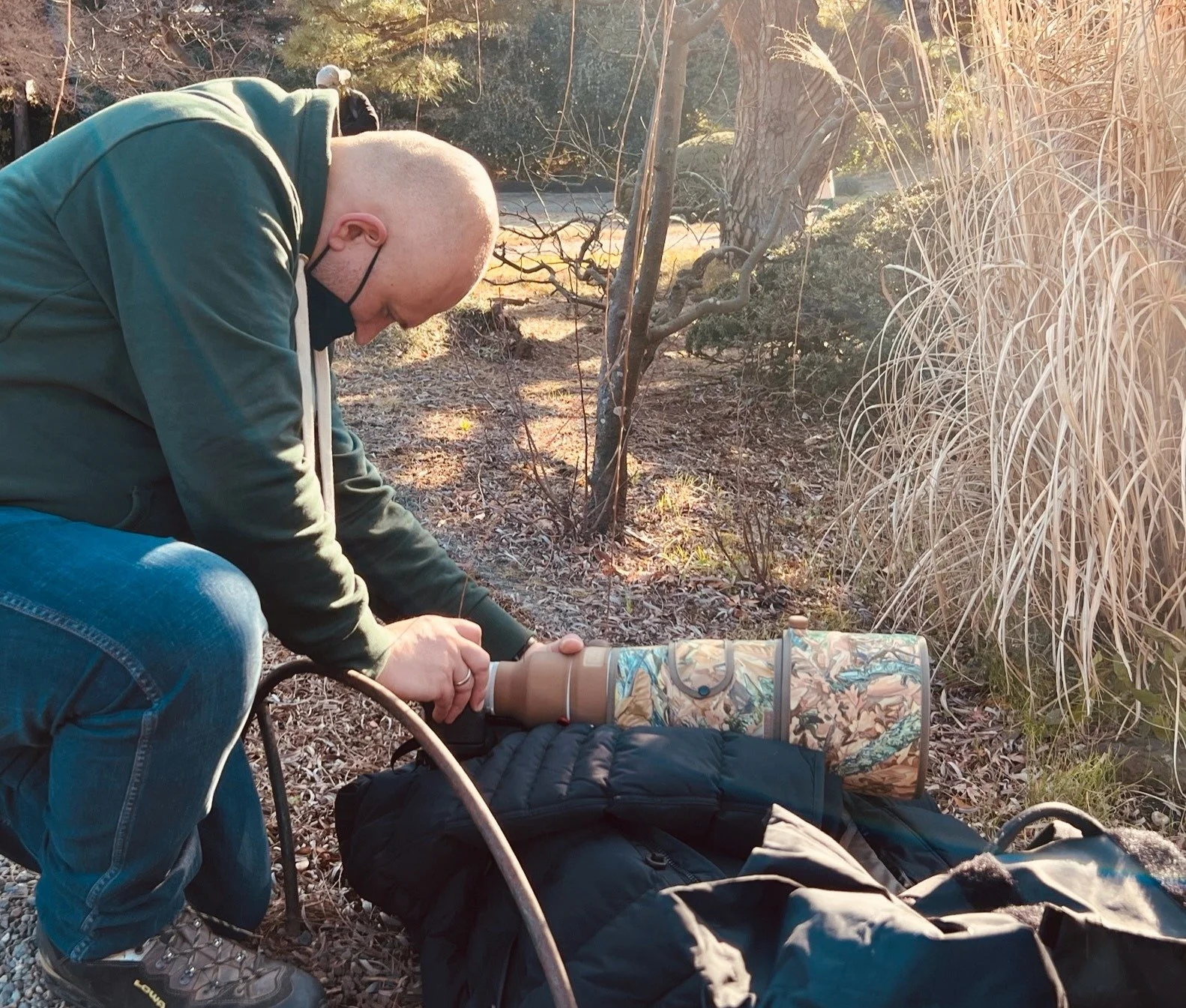
I was there with the Sony A1 + 400 mm f2.8, the Sony a7 RIV + 100 – 400 mm, and had the Tamron 28 – 75 mm f2.8 with me. So, heavy artillery 😅
12.01.2023 Large-billed crow (Corvus macrorhynchos)
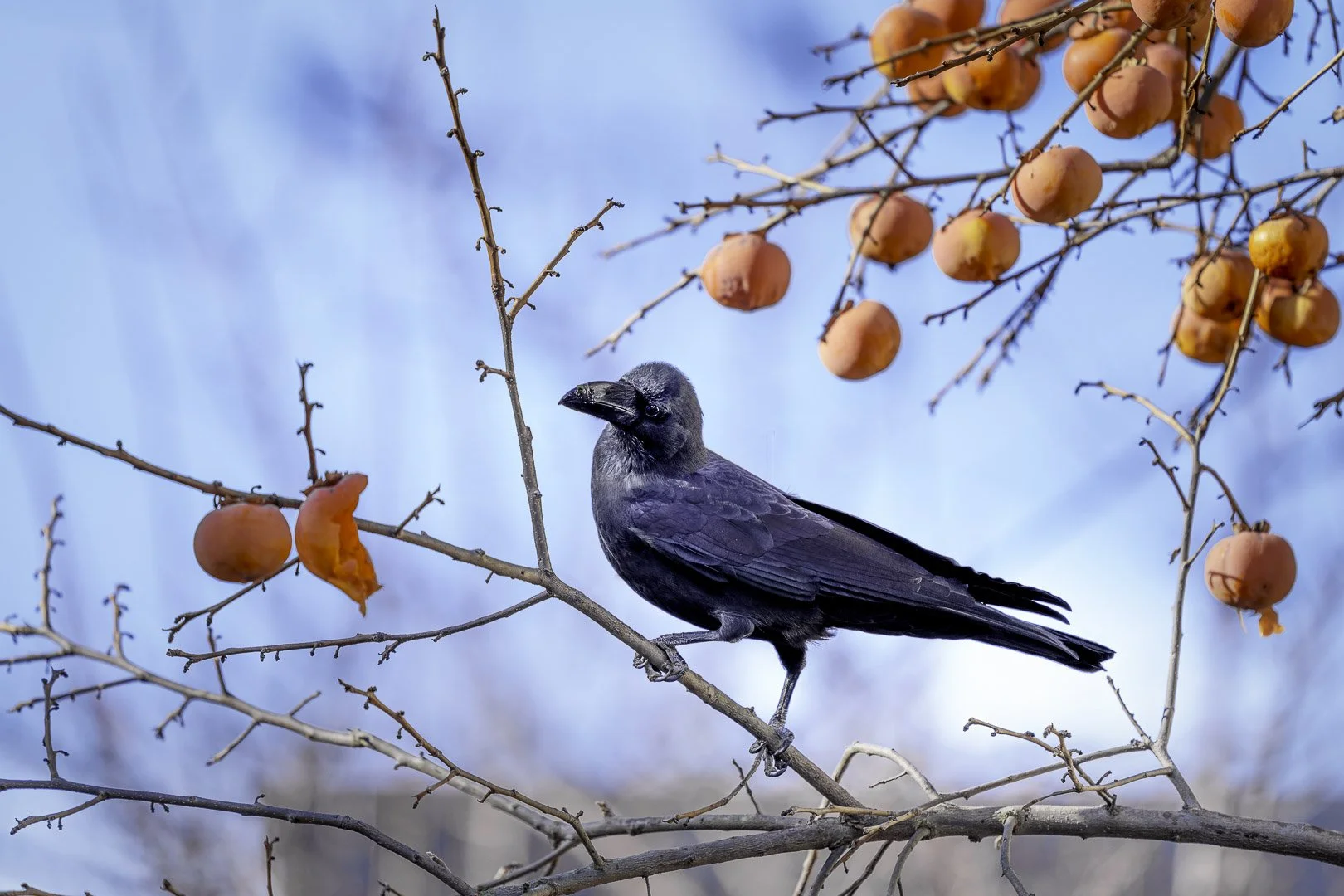
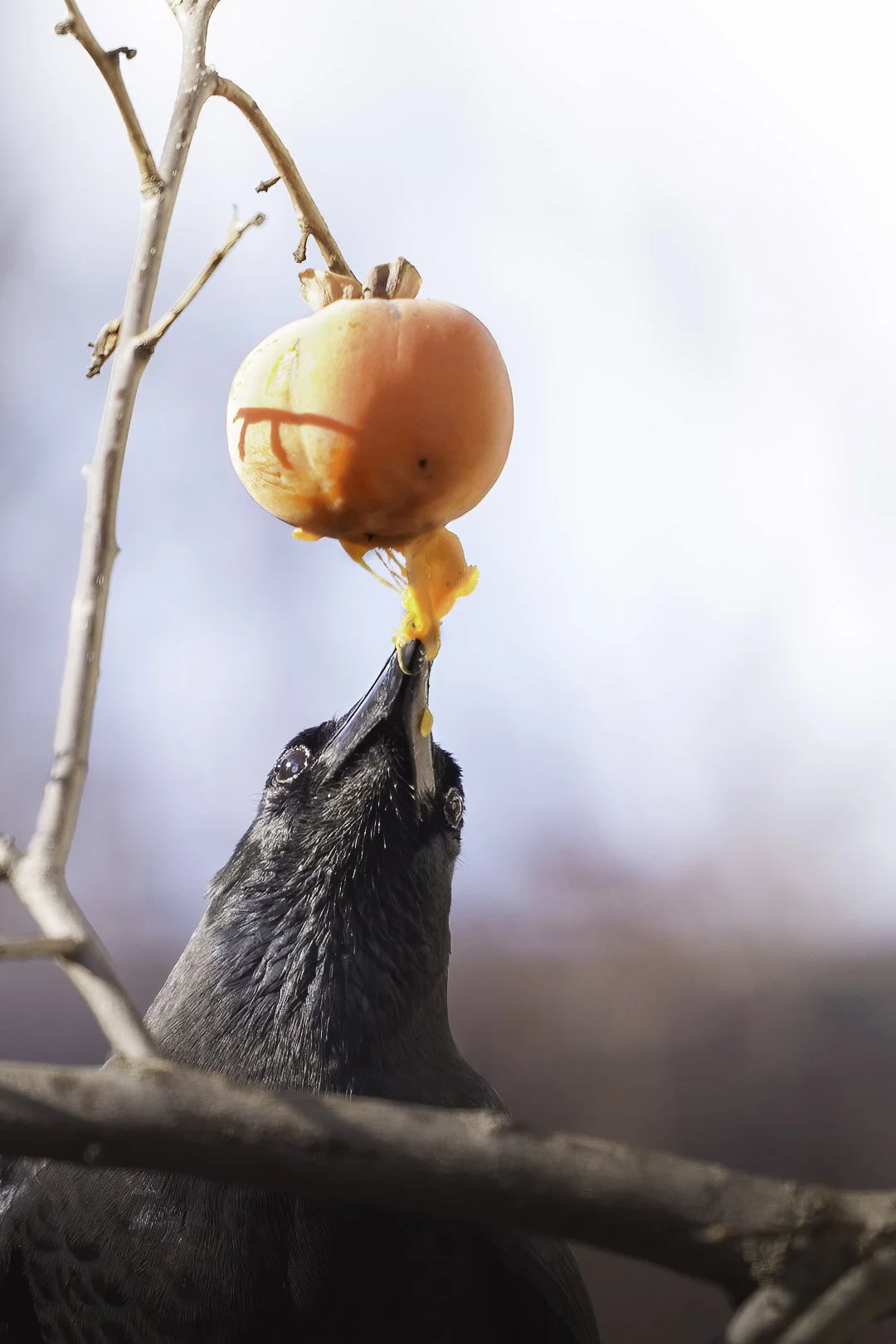
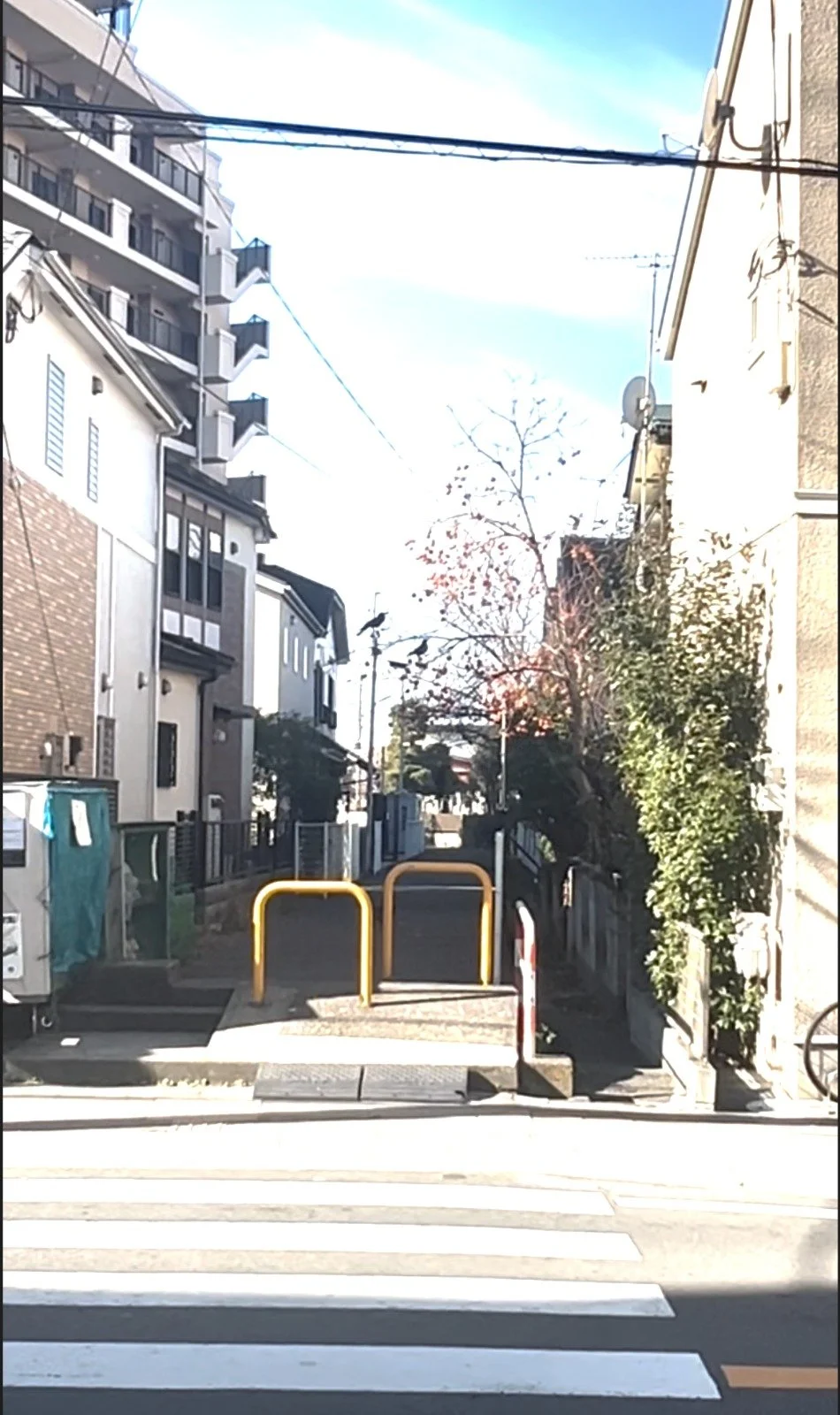
This morning, on the way to the bakery, a persimmon tree caught my eye, with ravens feasting on the fruits. I liked this contrast: the persimmon tree in winter attire with its orange fruits and the Large-billed crow enjoying them. This type of raven is not found in Europe and stands out with its very pronounced beak. The bird, widespread in Asia, is also on my photo list, but it’s not that easy, as I have only seen very shy specimens so far. So, I immediately tried to capture some snapshots of the jungle crow with the persimmon tree. After returning from the bakery, I grabbed my camera and went back to the scene. I managed to take a few shots, but still not the ones I wanted. I hope to get another chance in the coming days before my latest trip begins.
08.01.2023 Mandarin Duck
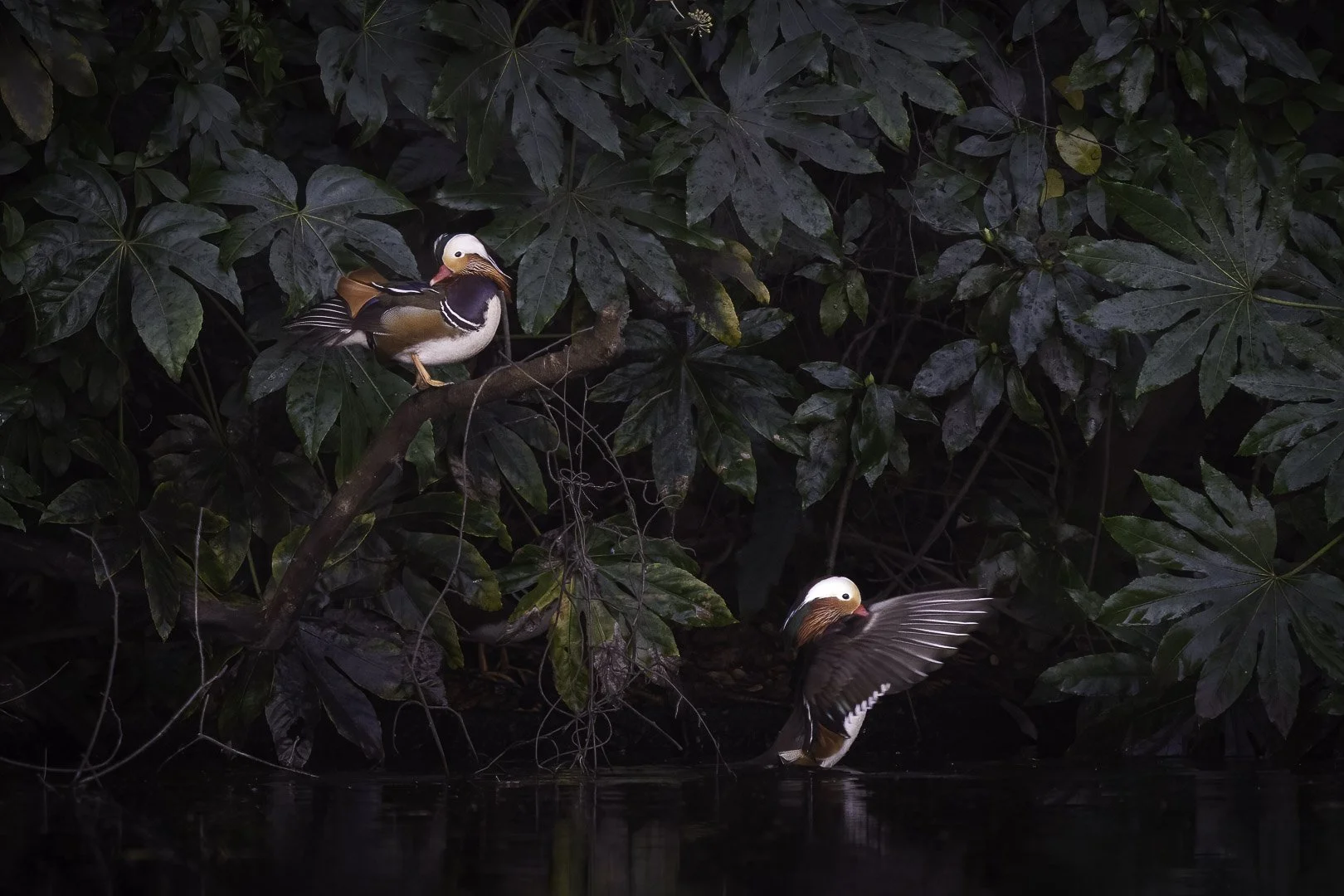
8:40 AM (0:40 AM in Germany), a sunny Sunday morning. Even after a week here, the jet lag is still a bit in my bones. Japan is 8 hours ahead of Germany in winter. So, we somehow don’t get out of bed as early as we had planned, and therefore can’t use the beautiful light of the rising sun. Oh well, today the mandarin duck is on the agenda. We just need to find it. 😜 First, we will head to Tojo-tei House, a historical house with a park in Samurai style from the 19th century. The Japanese white-eye can supposedly also be found in the park. Then we will continue to Mizumoto Park, where we will first try our luck to find the mandarin duck (Aix galericulata). If that doesn’t work out, the Shinjuku Gyoen Park is on the list, where the chances are relatively good. Let’s see if everything works out.
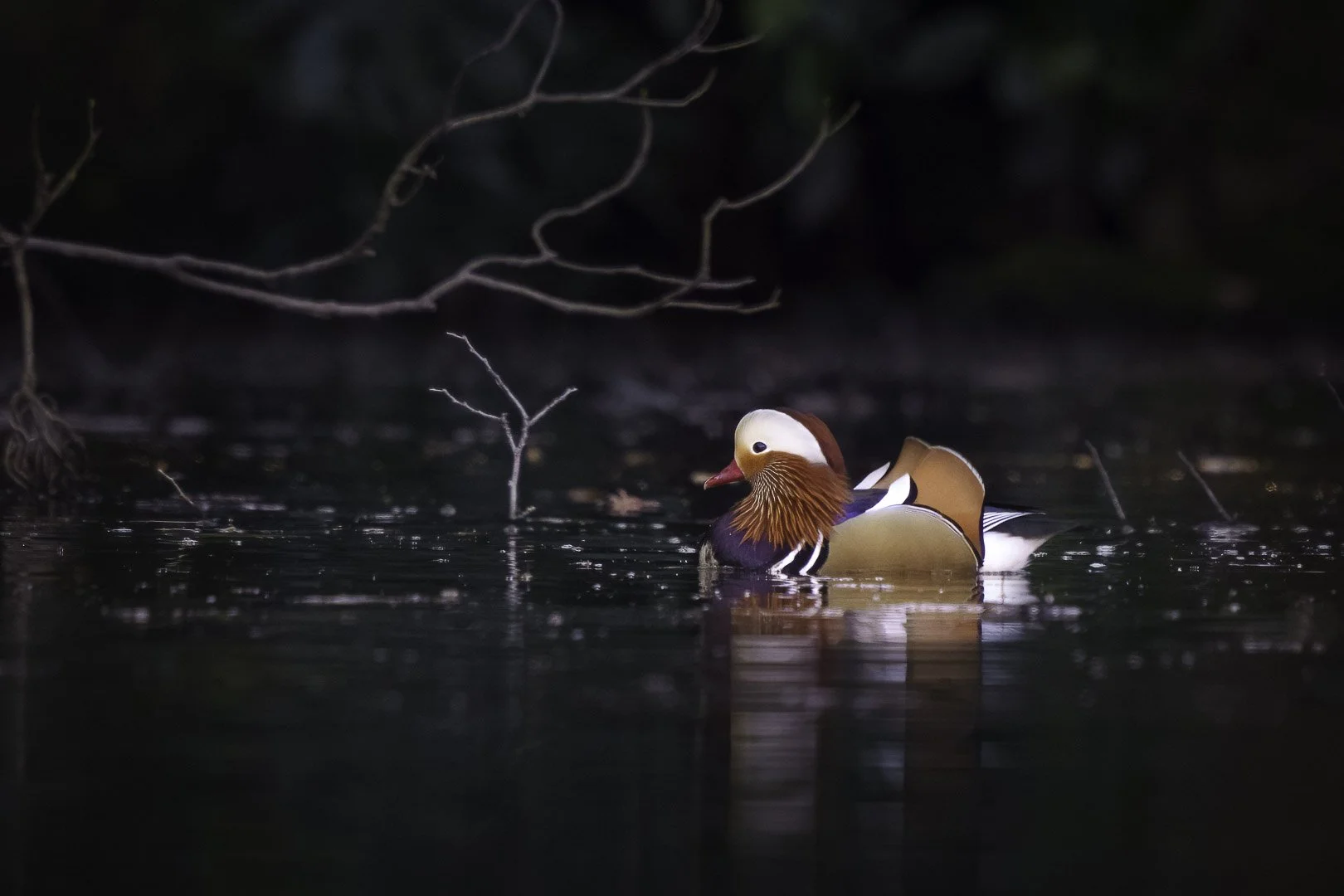
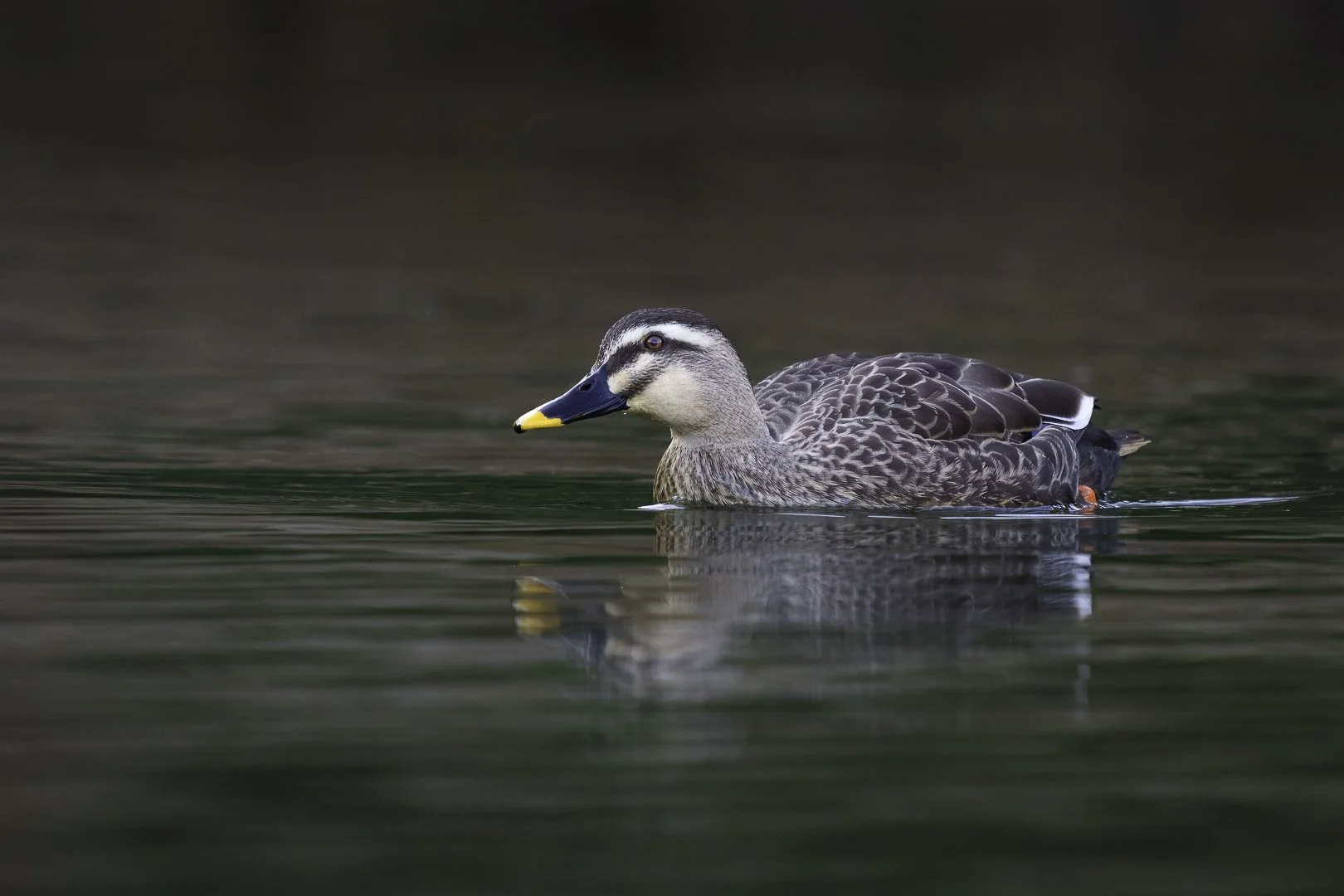
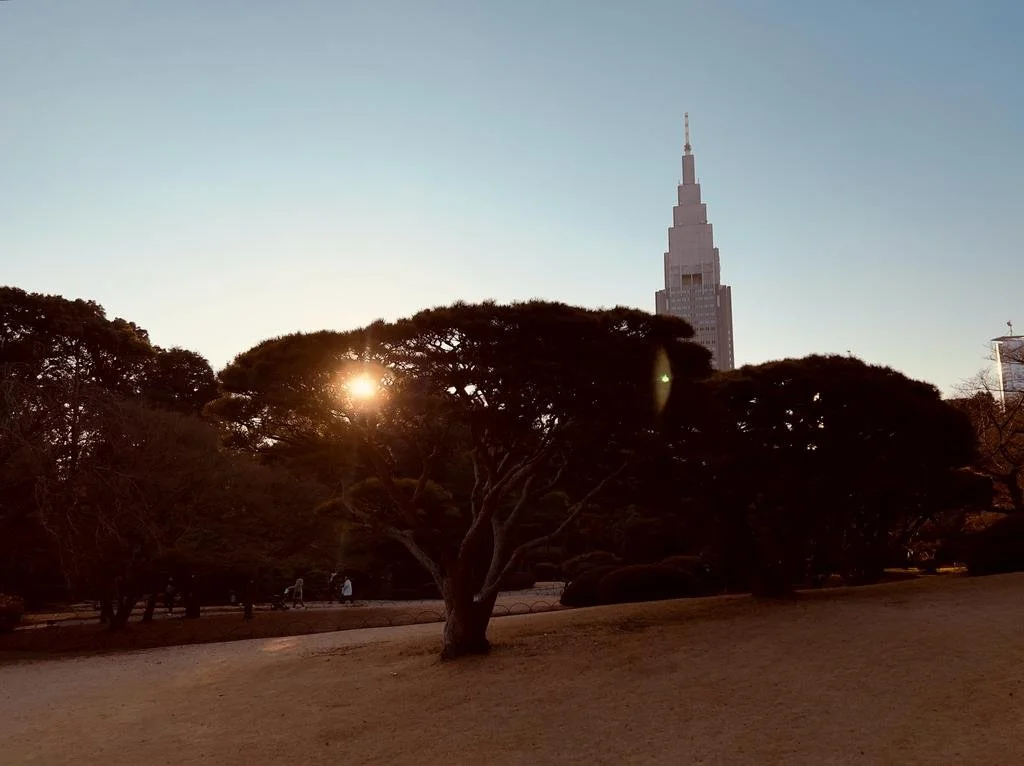
10 PM Tokyo time, we are back at our accommodation. It was a long but excellent day with lots of sun, some wildlife, and good food. We had spontaneously changed our plans and went straight to Shinjuku Gyoen Park. About 1 hour by train from Matsudo-Shi, where we are currently staying. It was a partial success; we spotted the mandarin duck, but the pictures I hoped for didn’t turn out well. The ducks were too far away, about 50 meters, and stayed at a distance all day. I took some shots with 400 mm, 560 mm, and 800 mm. The shots are more for documentation purposes, but it was nice to see these animals in real life. I had only known the mandarin duck from pictures before. Some other snapshots were also successful. Maybe I will get lucky in the following weeks and have the chance to get the animals closer to the lens.





07.01.2023 Meiji Jingu Gyoen urban wildlife
Today we are heading to Meiji Jingu Gyoen to photograph the varied tit. This species is not found in Germany, so I would like to have a photo of this bird. In the summer of 2022, I had the opportunity, but I wasn’t quite satisfied with the result. Let’s see if I get what I want this time 😀
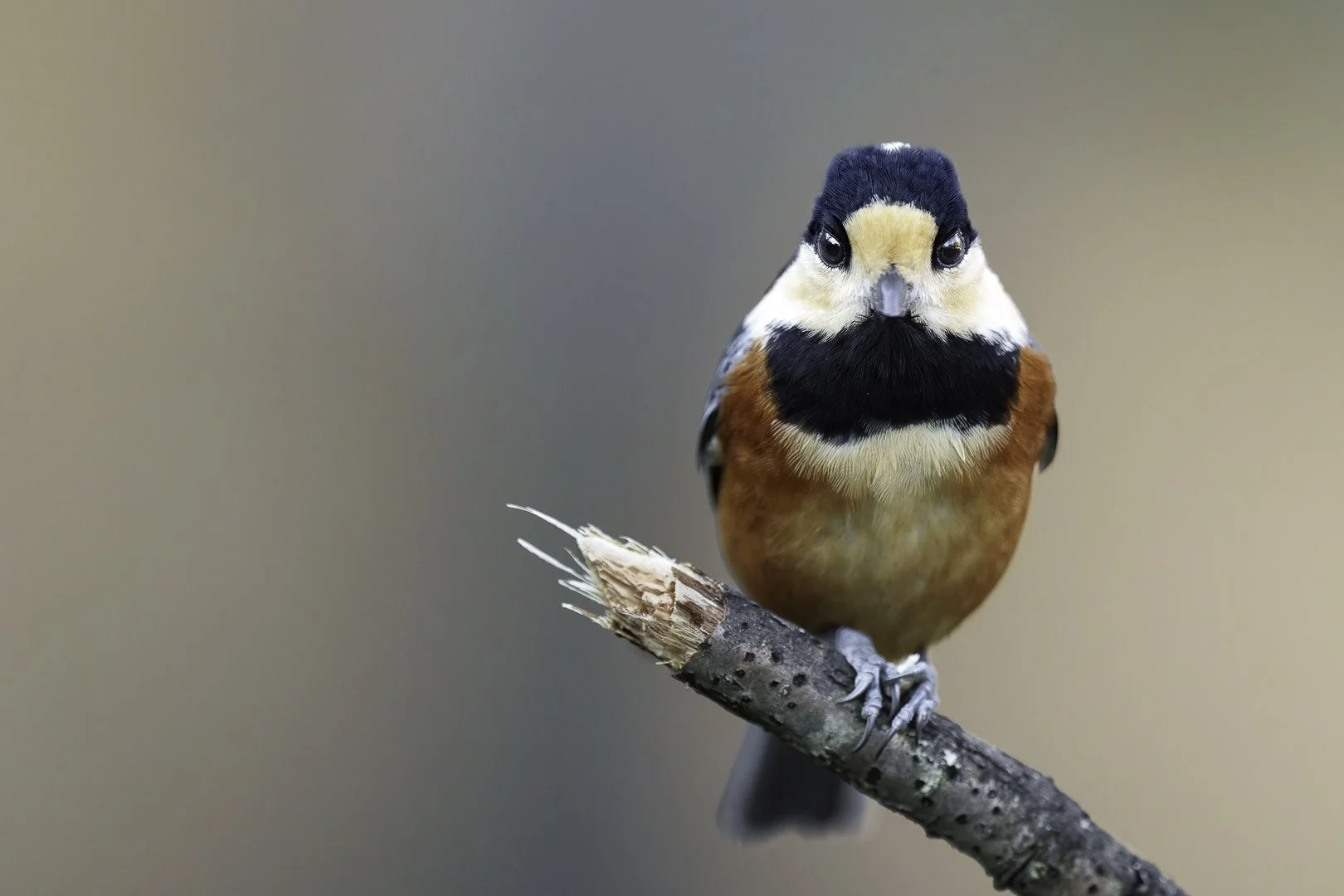
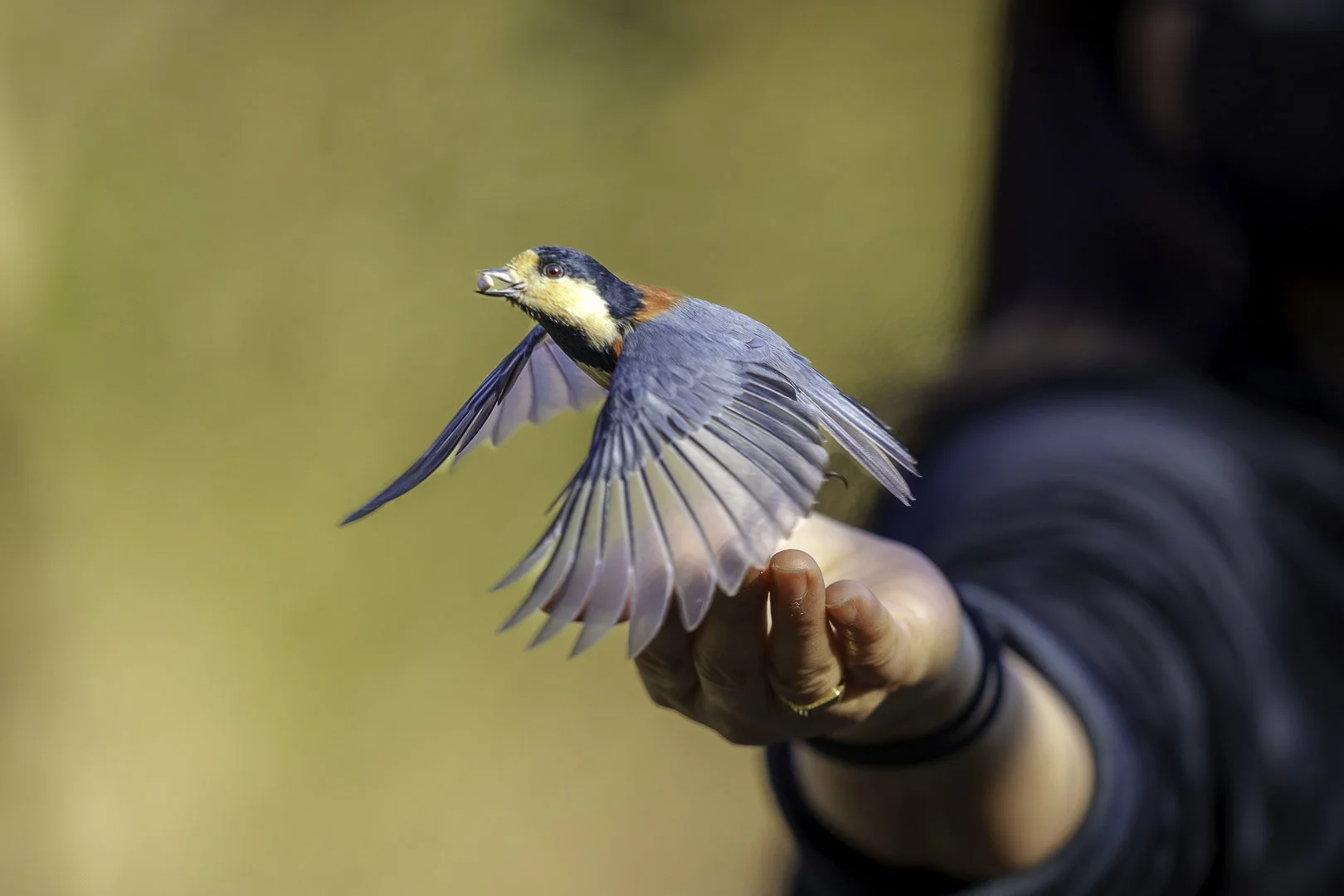
Back from Meiji Jingu Gyoen and successful, as you can see in the picture of the Varied tit (Sittiparus varius). I have about 170 pictures left that I will sort and edit back home. But of course, I have a few pictures from this beautiful sunny winter day in Tokyo to share here.


29.12.2022 Arrival in Tokyo
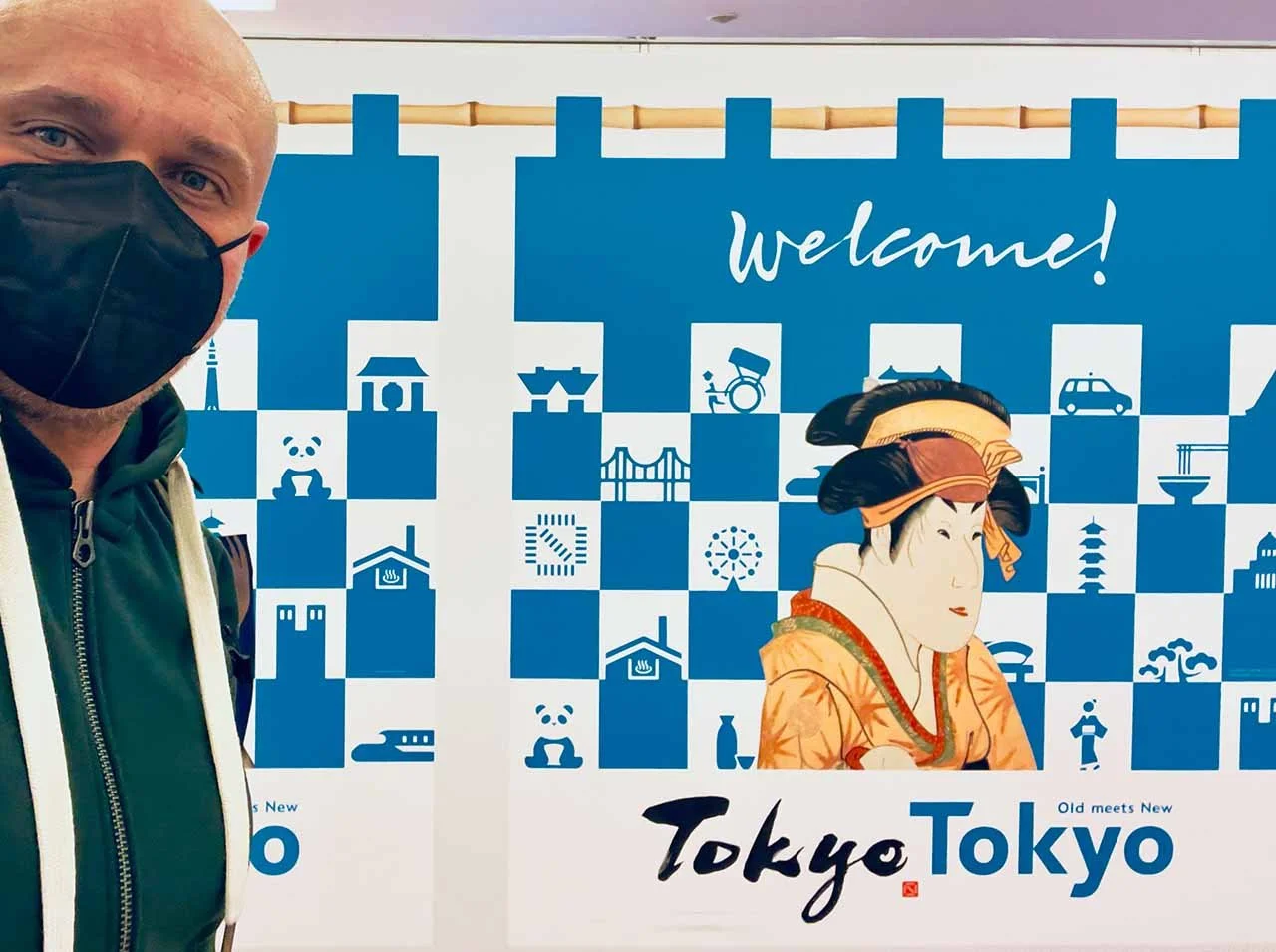
Arrival in Tokyo, now to settle in, leave the jet lag behind, and acclimatize for the next two weeks before the next wildlife adventure begins.
28.12.2022 Off to Japan
The next highlight for the turn of the year, off to Japan. It’s always an experience to be there; the country has so much more to offer than good sushi. The nature you find here is so diverse and exciting that I always look forward to it like a little boy.
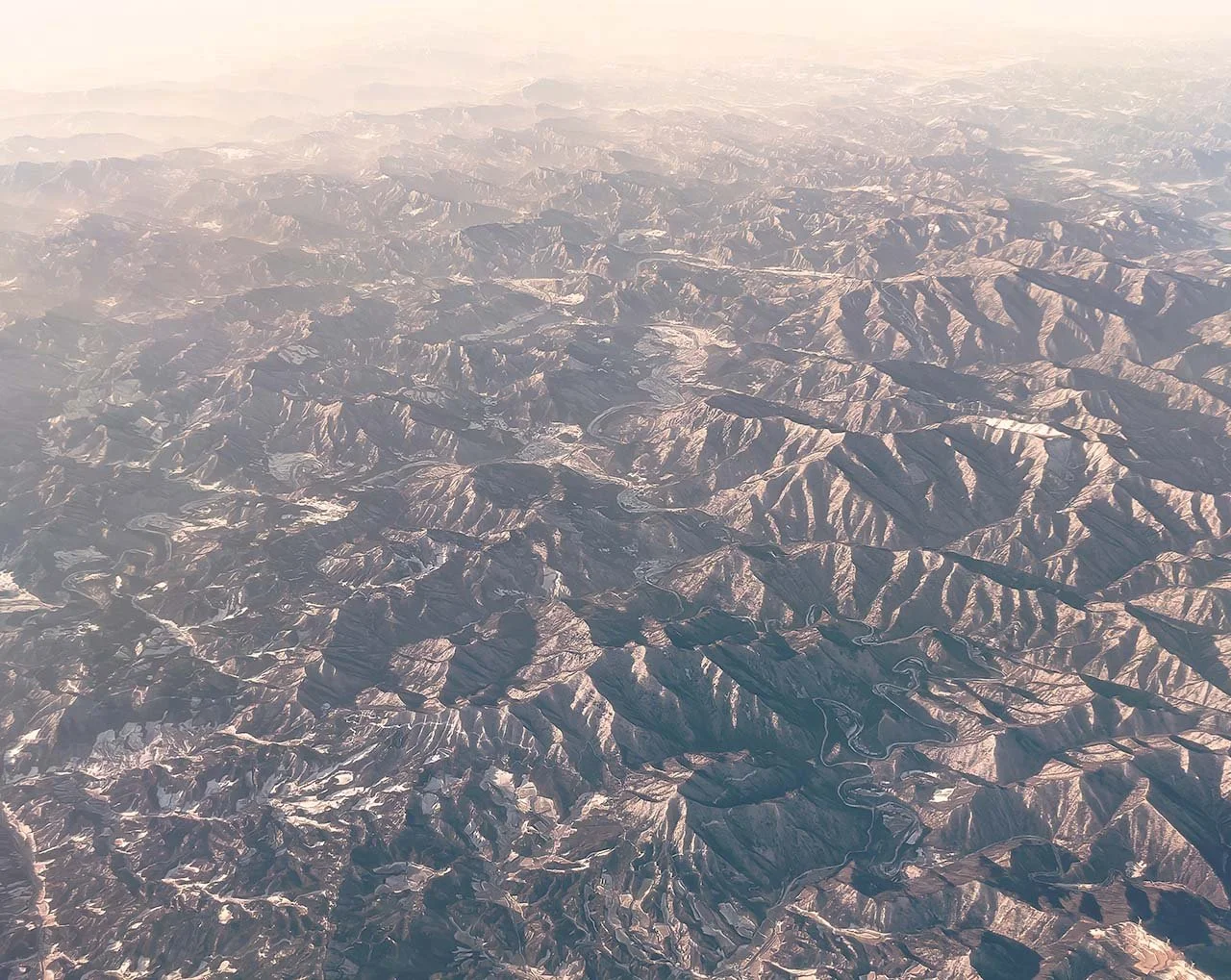
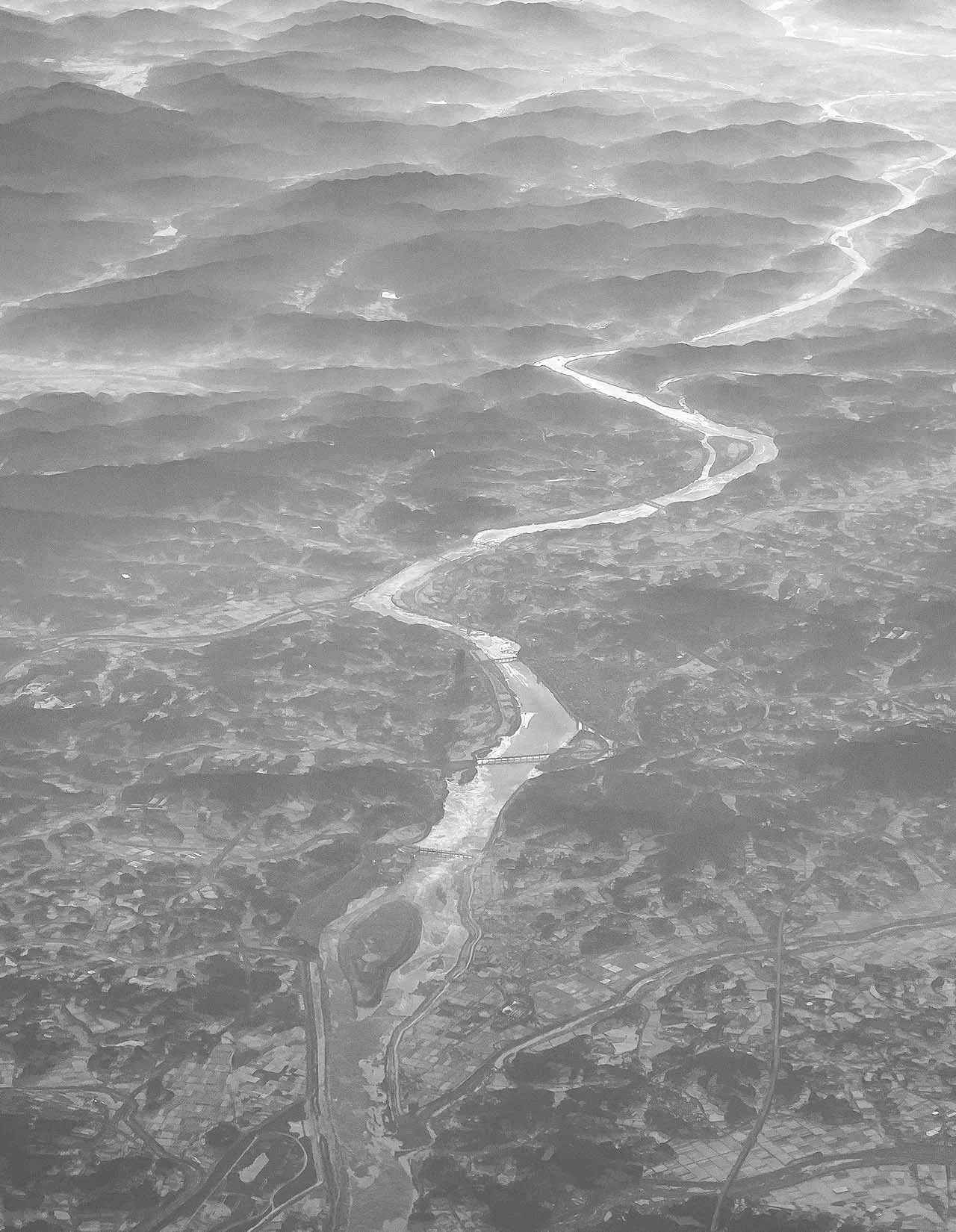
Flying is always an experience, being able to observe the landscape from above. Unfortunately, on my outbound flight, the flight information was not available. So, I never knew which country I was looking at the landscape from, but when Mount Fuji comes into view, the orientation quickly returns. 😜