

GEAR PORTAL
Sony Camera Gear for Wildlife Photography
Two bodies in active use, four lenses and a handful of accessories. Everything on this page is gear I have carried into the field myself – with the things that work and the things that annoy me.
My Kit at a Glance
2
Bodies
Alpha 1, a7R VI
2
Telephoto zooms
200–600 G, 100–400 GM
2
Primes
400 mm f/2.8 GM, 90 mm Macro
3
Accessories
Teleconverters, remote, grip
JUMP TO
Wildlife Photography with Sony – My Experiences

When I started wildlife photography, I ended up with Sony more or less by chance. I had bought the Sony Alpha 7 III for landscape and travel work. Then my focus shifted to animals, and the camera turned out to handle that surprisingly well – all it needed was a telephoto lens. Over the years the kit grew: Alpha 7R III, Alpha 7R IV, then the Alpha 1, the a6700 and now the Alpha 7R VI. Today it covers everything from detailed close-ups to fast action.
Gear is a tool for me, not a status symbol. Debates about which brand is best usually come down to personal taste, and some people defend their badge like a faith. I use what works for me. At the time that was Sony – which doesn’t make it the only sensible choice.
The Gear, Sorted
First the quick overview, then one card per item with what it does well and where it gets on my nerves. Gear I have retired stays listed – the sample photos on this page were taken with it.
| Gear | Category | What I use it for | Short verdict |
|---|---|---|---|
| Sony Alpha 1 | Body | Action, birds in flight | My main camera |
| Sony Alpha 7R VI | Body | Detail work | Field notes to follow |
| Sony Alpha 7R IV (no longer in use) | Body | Fur, feathers, macro | Held up for years |
| Sony a6700 (no longer in use) | Body | Scouting, 4K/120 video, extra reach | Light, with compromises |
| Sony 200–600 mm f/5.6–6.3 G | Telephoto zoom | All-round wildlife lens | The best place to start |
| Sony 100–400 mm f/4.5–5.6 GM | Telephoto zoom | Hikes, travel, long days on foot | Compact and sharp |
| Sony 400 mm f/2.8 GM | Prime | Low light, fast action | My best investment |
| Teleconverter 1.4x & 2x | Accessory | Extra reach on primes | The 1.4x is the useful one |
| Sony 90 mm f/2.8 Macro | Macro | Insects, close-ups | Sharp, no teleconverter support |
| Sony RMT-P1BT | Accessory | Shy subjects, long exposures | Small but handy |
| Sony VG-C4EM Grip | Accessory | Balance with heavy glass | Expensive, but it does the job |
BODY · IN USE
Sony Alpha 1
The Alpha 1 is my main camera. A 50-megapixel sensor plus a fast burst rate gives me sharp frames of birds in flight, and animal autofocus with silent shooting keeps disturbance low.
- Works well: resolution, burst rate, animal AF, silent shutter
- Annoys me: battery drain, clunky photo/video switching, sparse firmware updates
BODY · IN USE
Sony Alpha 7R VI
Placeholder – text to follow. The a7R VI has taken over the detail work in my kit. I want a proper season with it before I put anything here about how it actually holds up in the field.
BODY · NO LONGER IN USE
Sony Alpha 7R IV
Before the Alpha 1 this was my main body. Its 61-megapixel sensor resolved fur and feathers better than anything else I owned at the time, and over several years it never let me down.
- Worked well: detail, reliability, macro results
- Annoyed me: rolling shutter on fast subjects, slow start-up
BODY · APS-C · NO LONGER IN USE
Sony a6700
The APS-C sensor added a 1.5x crop to every telephoto lens. Paired with the 100–400 mm GM it was my light scouting rig, and in video mode with the 200–600 mm G it reached a 1200 mm field of view at 4K/120. I had a love-hate relationship with this camera.
- Worked well: reach, weight, 4K/120 video, macro
- Annoyed me: ergonomics, small viewfinder, visible rolling shutter
TELEPHOTO ZOOM
Sony 200–600 mm f/5.6–6.3 G
My first telephoto lens and still the one I recommend first. Fast autofocus, solid image quality, internal focusing – a dependable companion that does not run out of range.
- Works well: autofocus, sharpness, internal zoom, price
- Annoys me: fiddly lens hood, focal length drops at close focus
TELEPHOTO ZOOM
Sony 100–400 mm f/4.5–5.6 GM
Fast, light, sharp and compact – the lens I grab when I am moving all day. The external zoom is not my favourite design, but the size and weight make up for it.
- Works well: weight, sharpness, handling on the move
- Annoys me: external zoom, reach ends at 400 mm
PRIME
Sony 400 mm f/2.8 GM
One of the best investments I have made. Speed and image quality are on another level, especially at dusk. It is heavy – and worth carrying anyway.
- Works well: f/2.8 in low light, autofocus speed, rendering
- Annoys me: weight and price
MACRO
Sony 90 mm f/2.8 Macro
The lens that got me into macro work. Very sharp, and the focus clutch makes switching between autofocus and manual quick enough for insects.
- Works well: sharpness, fast AF/MF switching
- Annoys me: no teleconverter support
ACCESSORY
Teleconverter 1.4x & 2x
Both add flexibility, but the 1.4x is the one that stays in my bag. On a prime lens the loss is small enough that I stop thinking about it.
- Works well: extra reach on primes, especially the 1.4x
- Annoys me: autofocus and image quality drop on some lenses
ACCESSORY
Sony RMT-P1BT Remote
A small tool that pays off with shy subjects and long exposures. The Bluetooth link holds up in the field.
- Works well: stable connection, useful from a hide
- Annoys me: awkward battery setup
ACCESSORY
Battery Grip VG-C4EM
With the 400 mm f/2.8 GM on the front, the grip is close to mandatory for longer sessions. I bought the original because a third-party grip caused trouble on the Alpha 1 – on my other bodies it worked fine.
- Works well: balance with heavy lenses, longer sessions
- Annoys me: price compared to third-party grips
The Setups in Use
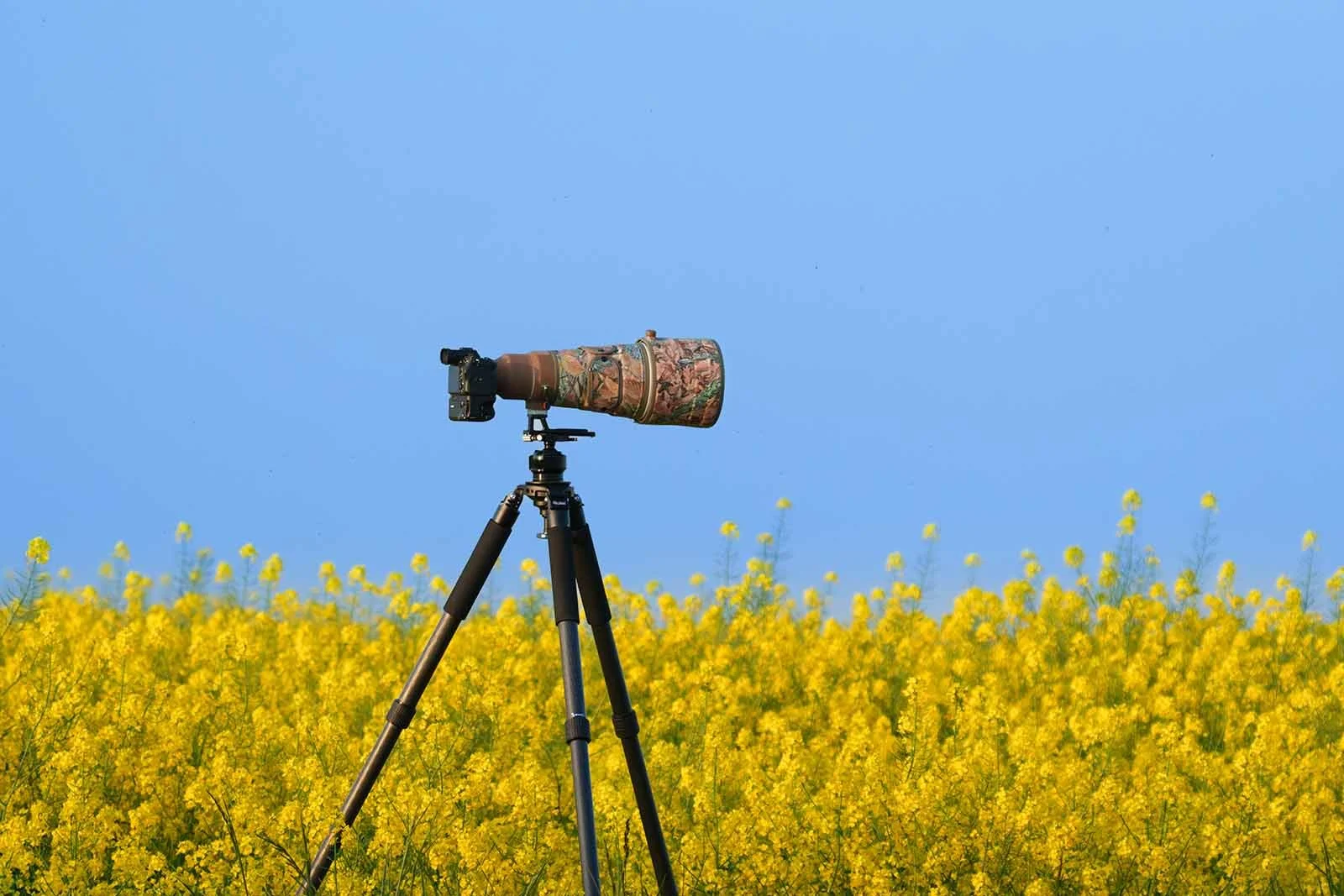
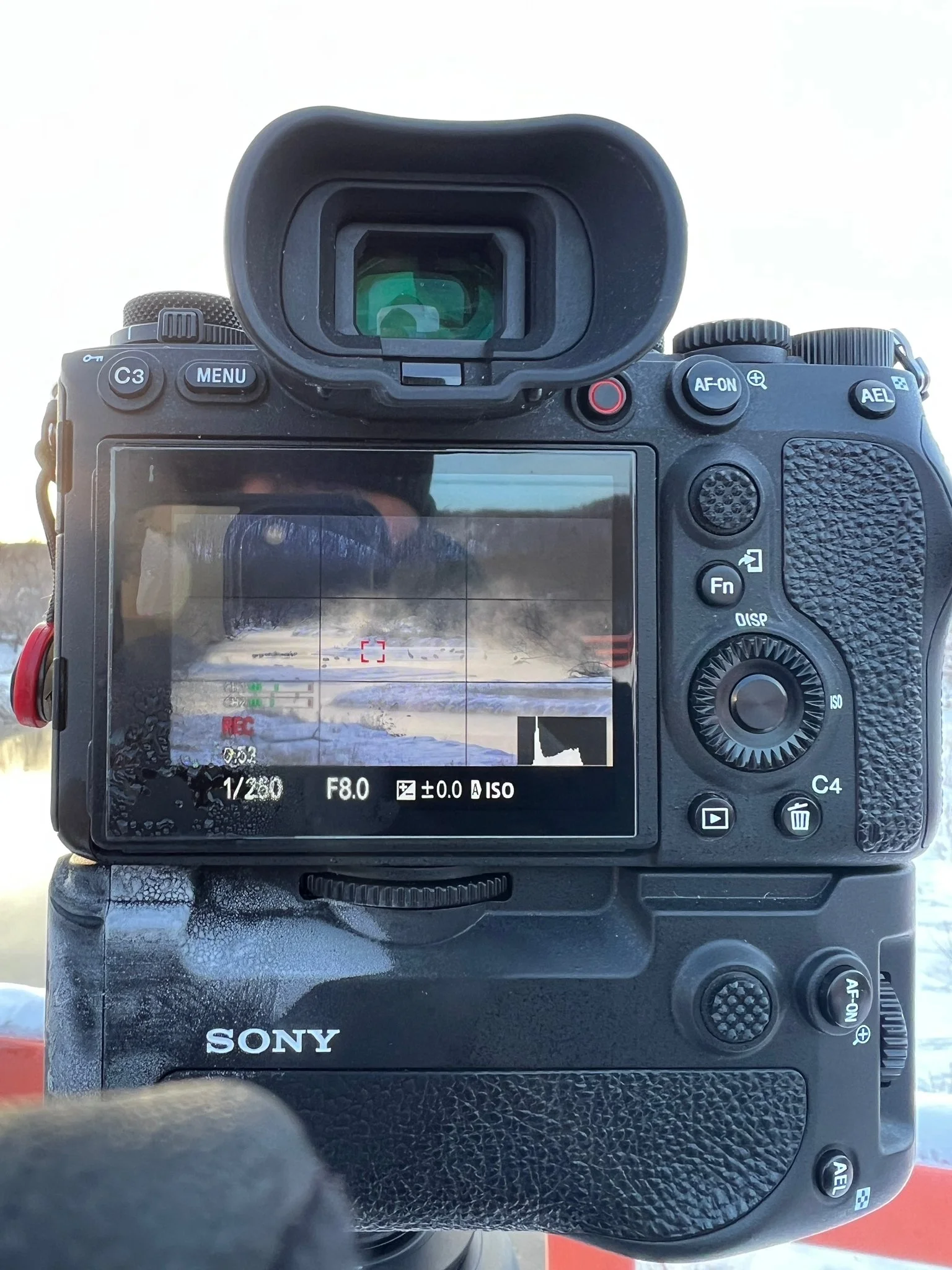
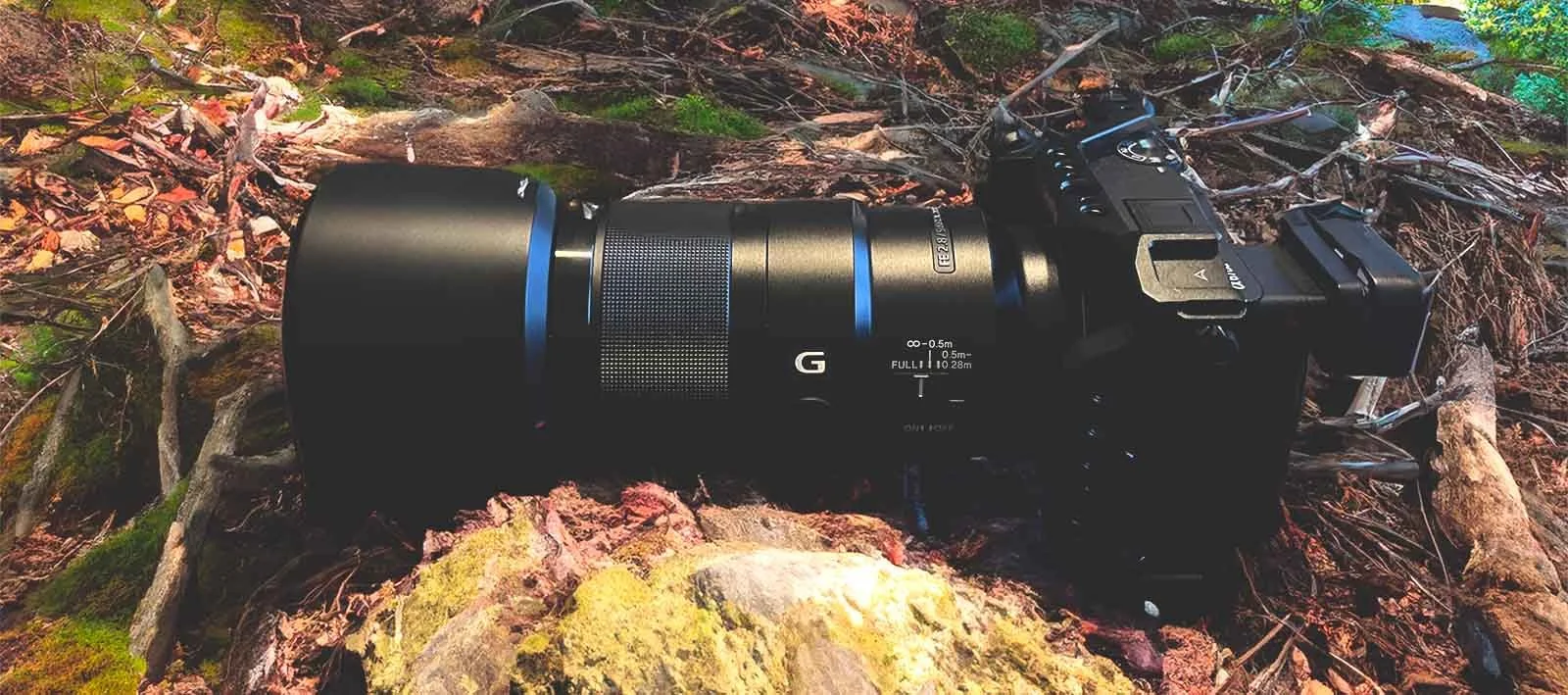
How the kit actually looks in the field – on the tripod, on the windowsill of a hide, and at minus twenty degrees.




In the Field: What Holds Up
Real situations show how well a system works. The fast Alpha 1 together with the 400 mm f/2.8 GM is my combination for action – and for birds at dusk it still delivers sharp frames when the light is almost gone.
The Alpha 7R IV went out when detail mattered: fur, feathers, structure. Towards the end I reached for it less because the Alpha 1 covered so much ground, but in macro work it gave me results I sometimes preferred to the a6700.
The a6700 was my scouting camera. With the 100–400 mm GM it was light enough that I stopped thinking about the weight, which matters when you are covering ground. For pure speed it was never my first pick, but for macro it did well.
STARTING OUT
What Gear for What Needs?
Compare a few systems before you commit. Not the cheapest one – the cheapest choice tends to get expensive later. Look at how wide the lens and accessory range is, and take your time. A body plus glass usually ties you to a system for years.
Put more money into lenses than into the body. If you go with Sony for wildlife, start with the 200–600 mm G: flexible, sharp, and priced sensibly. You also avoid the performance quirks that third-party lenses can run into on Sony bodies.
Sample Photos
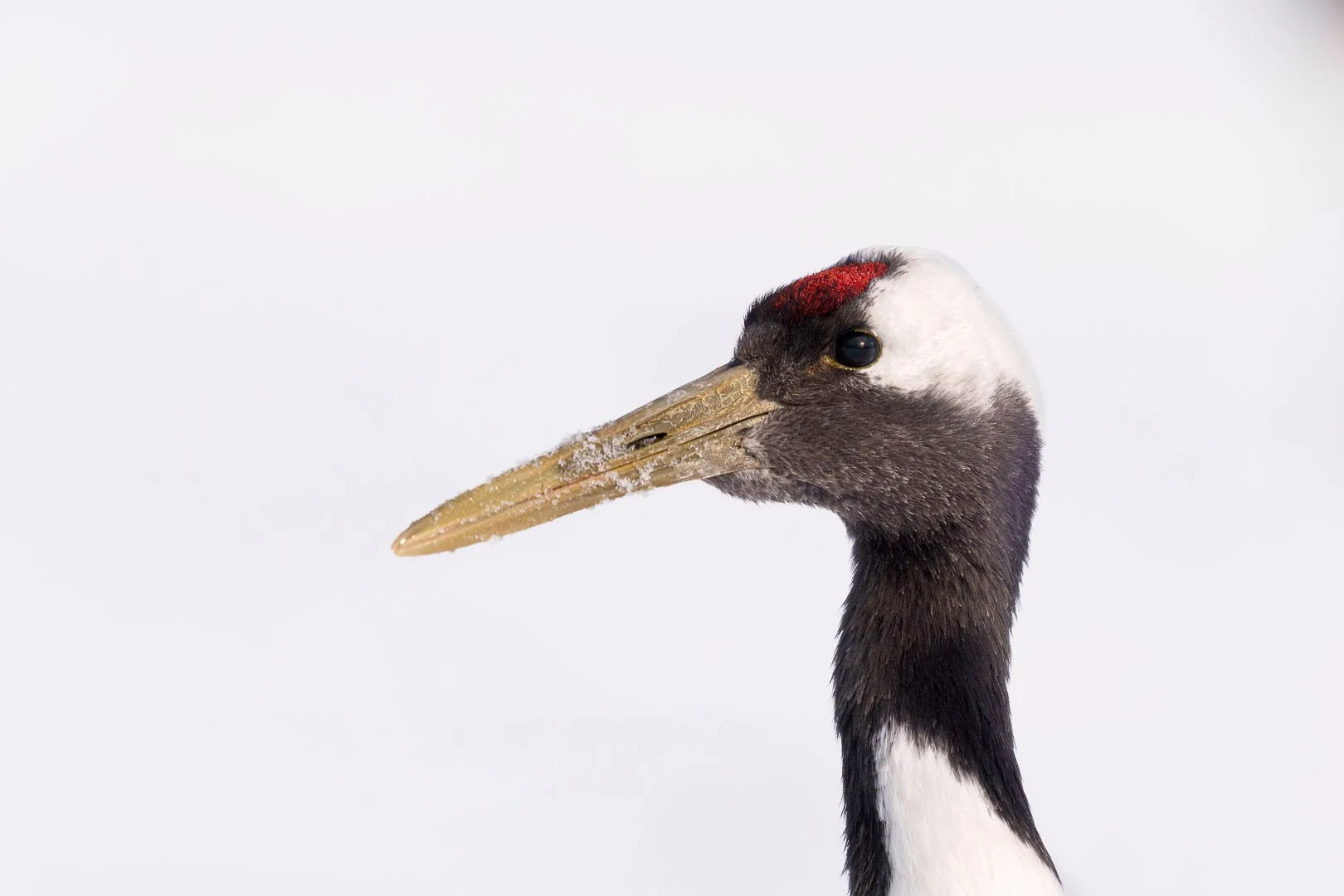
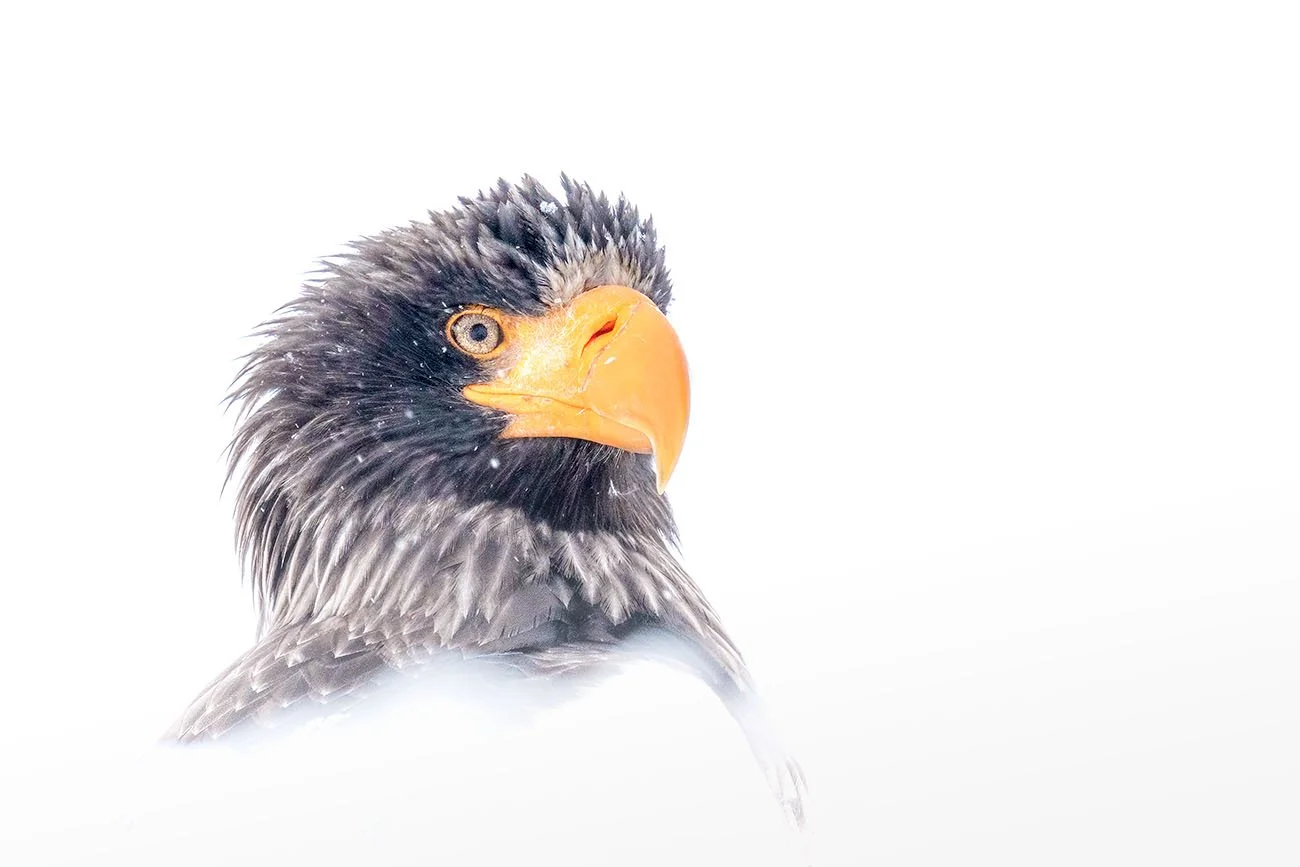
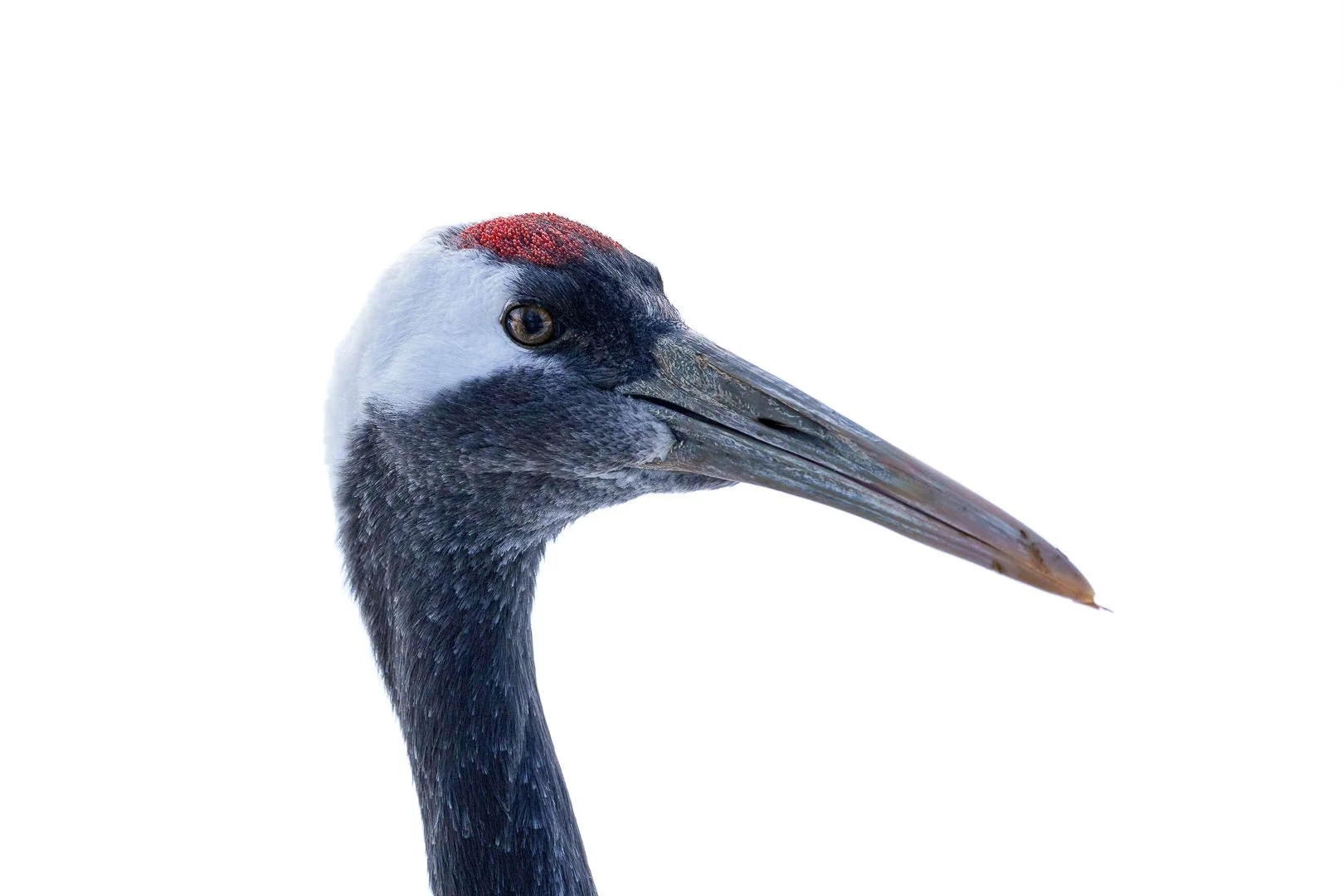
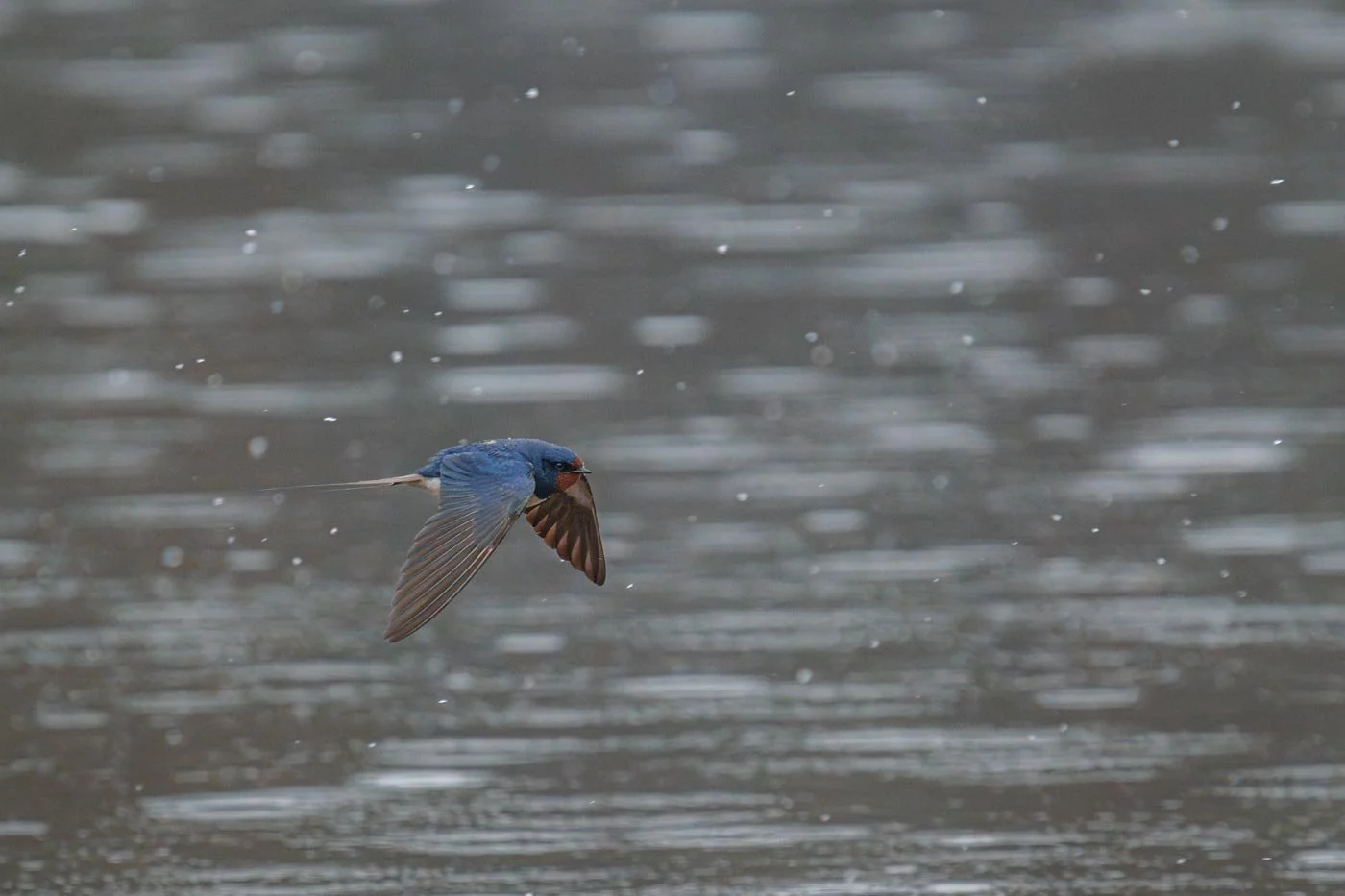
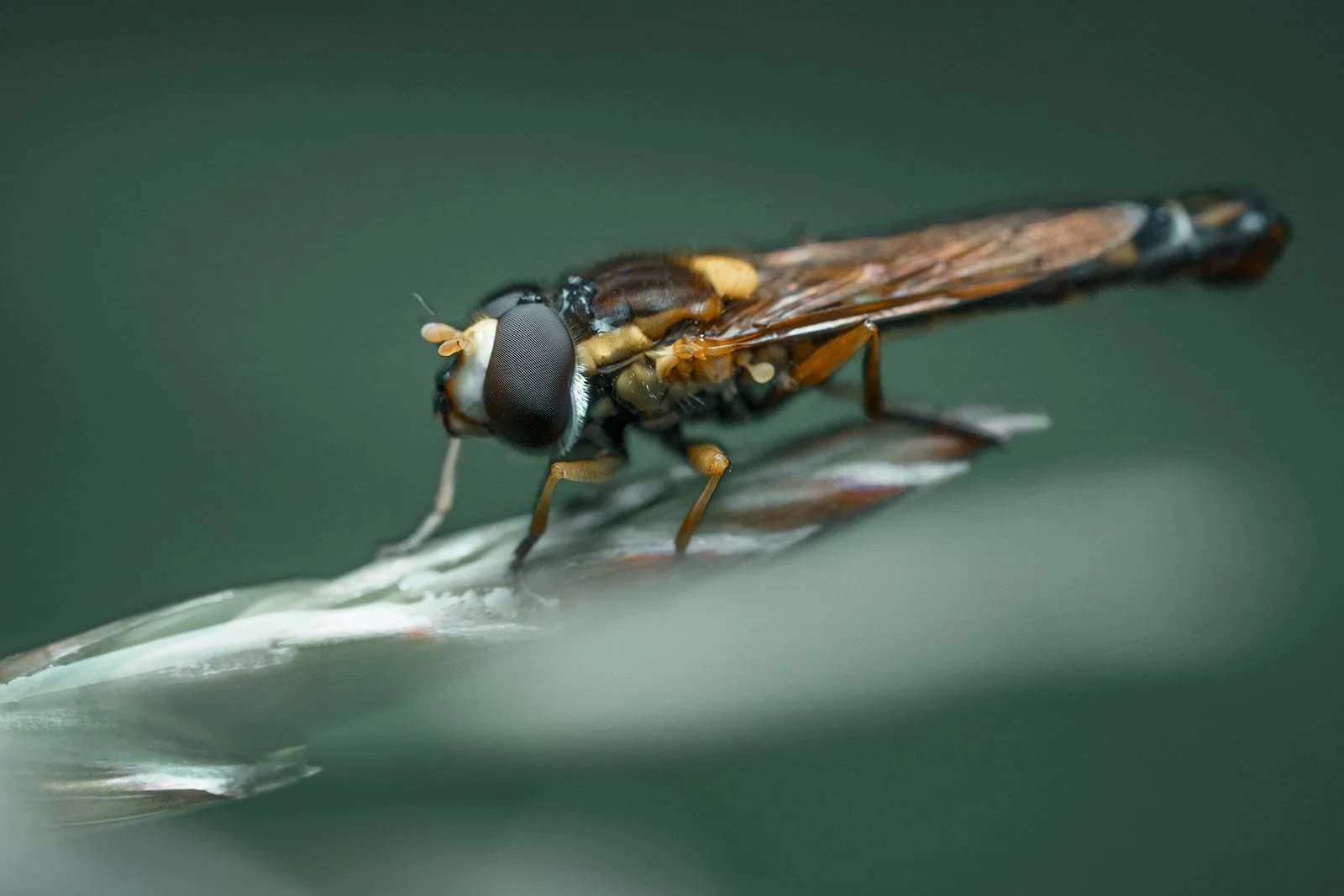
A selection shot with the setups above – cranes and cormorants with the Alpha 1, Japan and everyday birds with the a6700, macro with the Alpha 7R IV.






Want to Go Deeper?
Three long-form pieces where I take single parts of this kit apart in detail.
What Sony might bring next is collected under Sony Rumors.


